


- Afhalen na 1 uur in een winkel met voorraad
- Gratis thuislevering in België vanaf € 30
- Ruim aanbod met 7 miljoen producten
- Afhalen na 1 uur in een winkel met voorraad
- Gratis thuislevering in België vanaf € 30
- Ruim aanbod met 7 miljoen producten





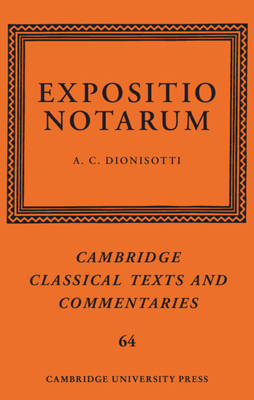
Expositio Notarum
€ 261,45
+ 522 punten
Eenvoudig bestellen
Veilig betalen


Gratis thuislevering vanaf € 30 (via bpost)
Gratis levering in je Standaard Boekhandel
Omschrijving
This is the first edition of a Latin text unlike any other surviving one: at first sight an extensive, jumbled list of words with explanations, on closer inspection a window on the teaching of Latin shorthand in North Africa c. AD 400, when we find notarii, those trained in shorthand, prominently employed everywhere in state and church. The text reveals in detail how that training could relate to literary Latin and the classical Roman past. The single manuscript of it in our possession descends from a copy that must have been in Anglo-Saxon England by AD 700, and we can see how it was used for the earliest Latin glossary from that context. The edition seeks to make this story accessible both in general and in detail, with copious indices for those who may wish to consult it from various viewpoints: classical and later Latin, linguistic and historical.
Specificaties
Betrokkenen
- Uitgeverij:
Inhoud
- Aantal bladzijden:
- 642
- Taal:
- Engels
- Reeks:
- Reeksnummer:
- nr. 64
Eigenschappen
- Productcode (EAN):
- 9781316514795
- Verschijningsdatum:
- 8/09/2022
- Uitvoering:
- Hardcover
- Formaat:
- Genaaid
- Afmetingen:
- 137 mm x 218 mm
- Gewicht:
- 884 g

Alleen bij Standaard Boekhandel
+ 522 punten op je klantenkaart van Standaard Boekhandel
CADEAU

AANGERADEN


Beoordelingen
We publiceren alleen reviews die voldoen aan de voorwaarden voor reviews. Bekijk onze voorwaarden voor reviews.