


- Afhalen na 1 uur in een winkel met voorraad
- Gratis thuislevering in België vanaf € 30
- Ruim aanbod met 7 miljoen producten
- Afhalen na 1 uur in een winkel met voorraad
- Gratis thuislevering in België vanaf € 30
- Ruim aanbod met 7 miljoen producten





€ 32,45
+ 64 punten
Omschrijving
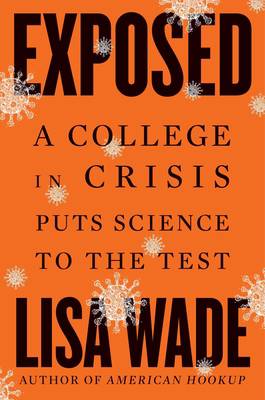
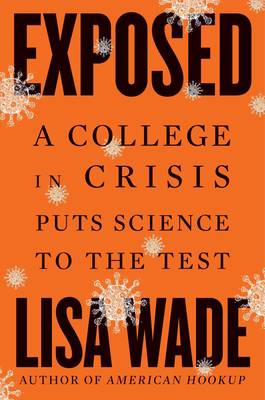
Hobbled by conservative cuts to education beginning in the Reagan era, universities became increasingly consumer-focused, giving rise to the now-pervasive "party school." Fraternities dominated campus life as administrators looked away from their destructive cultures. When Covid hit, universities enforced strict public health measures, encouraged by their focus on high-profit STEM fields, but ignored sociology--and essential interpersonal needs like sex, friendship, and love. In a New Orleans case study emblematic of campuses nationwide, students split into Covid-cautious and Covid-incautious factions, deepening racial, class, and geographic divides: fraternities thrived while surrounding Black residents bore the costs.
In Exposed, renowned sociologist Lisa Wade argues that a more democratic, flexible response was possible. In prioritizing "hard" science over social science, institutions hindered their response to the crisis and eroded a generation's faith in organizations, fueling right-wing backlash. Exposed offers ideas and insights for building social solidarity, redefining freedom, and strengthening our democracy for a healthier, more humane society.
Specificaties
Betrokkenen
- Auteur(s):
- Uitgeverij:
Inhoud
- Aantal bladzijden:
- 256
- Taal:
- Engels
Eigenschappen
- Productcode (EAN):
- 9781324086956
- Verschijningsdatum:
- 8/12/2026
- Uitvoering:
- Hardcover
- Formaat:
- Genaaid
- Afmetingen:
- 152 mm x 229 mm


Alleen bij Standaard Boekhandel
+ 64 punten op je klantenkaart van Standaard Boekhandel
Cadeau

AANGERADEN


Beoordelingen
We publiceren alleen reviews die voldoen aan de voorwaarden voor reviews. Bekijk onze voorwaarden voor reviews.