


- Afhalen na 1 uur in een winkel met voorraad
- Gratis thuislevering in België vanaf € 30
- Ruim aanbod met 7 miljoen producten
- Afhalen na 1 uur in een winkel met voorraad
- Gratis thuislevering in België vanaf € 30
- Ruim aanbod met 7 miljoen producten





€ 103,45
+ 206 punten
Uitvoering
Omschrijving
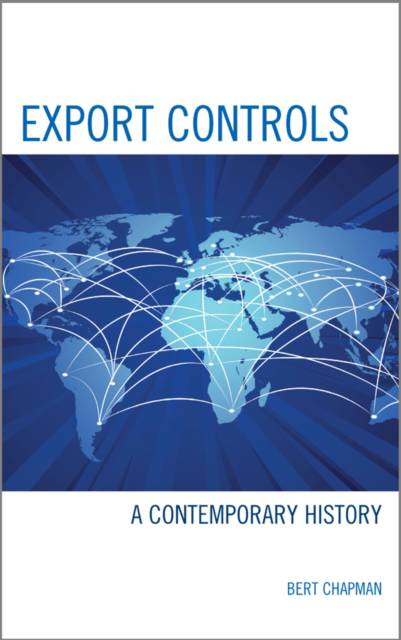
International trade plays an enormous role in economic growth and prosperity. This activity can also be used to transfer military equipment, knowledge, and technology to hostile governments and transnational terrorist and criminal organizations seeking to attack and destroy their enemies. The U.S. and other countries have used economic sanctions such as export controls to try to restrict and eliminate the transfer of weapons and financial assets to these governments and organizations. This work examines how the U.S. has attempted to restrict the export of national security sensitive equipment, finance, knowledge, and technology since World War II with varying degrees of success and failure. It also examines how multiple U.S. Government agencies, nongovernmental organizations, and international government organizations seek to influence U.S. international trade, foreign, and security policies while concluding that some export controls are essential for promoting and defending U.S. national security interests.
Specificaties
Betrokkenen
- Auteur(s):
- Uitgeverij:
Inhoud
- Aantal bladzijden:
- 444
- Taal:
- Engels
Eigenschappen
- Productcode (EAN):
- 9780761865919
- Verschijningsdatum:
- 26/08/2015
- Uitvoering:
- Paperback
- Formaat:
- Trade paperback (VS)
- Afmetingen:
- 152 mm x 229 mm
- Gewicht:
- 589 g


Alleen bij Standaard Boekhandel
+ 206 punten op je klantenkaart van Standaard Boekhandel
Cadeau

AANGERADEN


Beoordelingen
We publiceren alleen reviews die voldoen aan de voorwaarden voor reviews. Bekijk onze voorwaarden voor reviews.