


- Afhalen na 1 uur in een winkel met voorraad
- Gratis thuislevering in België vanaf € 30
- Ruim aanbod met 7 miljoen producten
- Afhalen na 1 uur in een winkel met voorraad
- Gratis thuislevering in België vanaf € 30
- Ruim aanbod met 7 miljoen producten





€ 58,30
+ 116 punten
Omschrijving
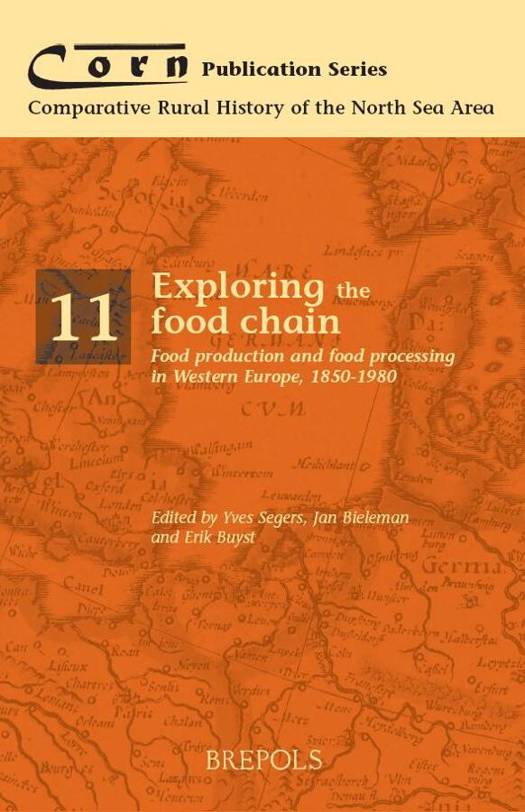
Until the late 19th century the food industry was restricted to a few activities, usually based on small scale industries. The links between agriculture and food processing were very tight. Due to increased purchasing power, population growth and urbanisation, the demand for food grew substantially. This was not only the case for basis products as corn and potatoes, but also and especially for more expensive, quality products as meat, fish and dairy produce. These developments generated, together with the essential technological innovations, the creation and development of modern food processing in specialized shops and factories. In only a few decades these industries transformed from an important complement to the primary agricultural production on the farms to a much comprising industrial business. At the end of the 20th century food processing has evolved into a modern, high-tech industry, dominated by a few large enterprises, offering a wide range of products. This volume aims to turn the spotlight on this often neglected but important link in the food chain.
Specificaties
Betrokkenen
- Auteur(s):
- Uitgeverij:
Inhoud
- Aantal bladzijden:
- 289
- Taal:
- Engels
- Reeks:
- Reeksnummer:
- nr. 11
Eigenschappen
- Productcode (EAN):
- 9782503517797
- Verschijningsdatum:
- 9/02/2009
- Uitvoering:
- Paperback
- Formaat:
- Trade paperback (VS)
- Afmetingen:
- 155 mm x 234 mm
- Gewicht:
- 521 g


Alleen bij Standaard Boekhandel
+ 116 punten op je klantenkaart van Standaard Boekhandel
Cadeau

AANGERADEN


Beoordelingen
We publiceren alleen reviews die voldoen aan de voorwaarden voor reviews. Bekijk onze voorwaarden voor reviews.