


- Afhalen na 1 uur in een winkel met voorraad
- Gratis thuislevering in België vanaf € 30
- Ruim aanbod met 7 miljoen producten
- Afhalen na 1 uur in een winkel met voorraad
- Gratis thuislevering in België vanaf € 30
- Ruim aanbod met 7 miljoen producten





Omschrijving
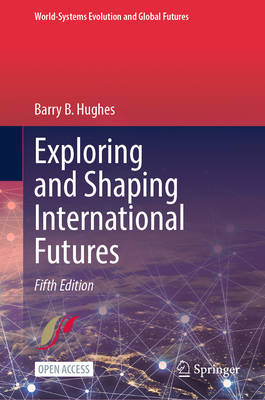
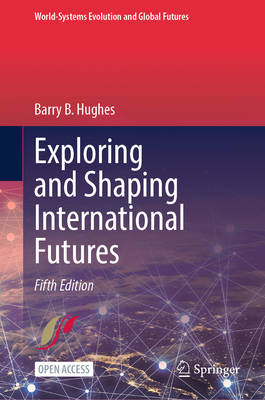
This Open Access book offers a structured approach to thinking about the future, covering local, global, and cross-sectoral perspectives. It begins by posing three fundamental questions: What futures are normatively desirable? What trajectories do current trends suggest? And how might human agency influence those trajectories? Using the UN Sustainable Development Goals (SDGs) as a reference point, the book examines human, environmental, and sociopolitical development through empirical exploration and long-term scenario analysis. It also explains and supports usage of the International Futures (IFs) system, a powerful tool for scenario building and policy exploration. The chapters cover population, economics, agriculture, energy, the environment, and governance. Each chapter combines forecasts, model insights, and leverage points for change. The final chapter synthesizes these findings by comparing global scenario sets and encouraging critical thinking about alternative futures. Scholars, analysts, and policymakers will find this book appealing. It combines empirical depth with accessible modeling tools. These tools support education, strategic foresight, and informed decision-making.
Specificaties
Betrokkenen
- Auteur(s):
- Uitgeverij:
Inhoud
- Aantal bladzijden:
- 313
- Taal:
- Engels
- Reeks:
Eigenschappen
- Productcode (EAN):
- 9783032220837
- Verschijningsdatum:
- 21/06/2026
- Uitvoering:
- Hardcover
- Formaat:
- Genaaid
- Afmetingen:
- 155 mm x 235 mm


Alleen bij Standaard Boekhandel
+ 108 punten op je klantenkaart van Standaard Boekhandel
Cadeau

AANGERADEN


Beoordelingen
We publiceren alleen reviews die voldoen aan de voorwaarden voor reviews. Bekijk onze voorwaarden voor reviews.