


- Afhalen na 1 uur in een winkel met voorraad
- Gratis thuislevering in België vanaf € 30
- Ruim aanbod met 7 miljoen producten
- Afhalen na 1 uur in een winkel met voorraad
- Gratis thuislevering in België vanaf € 30
- Ruim aanbod met 7 miljoen producten





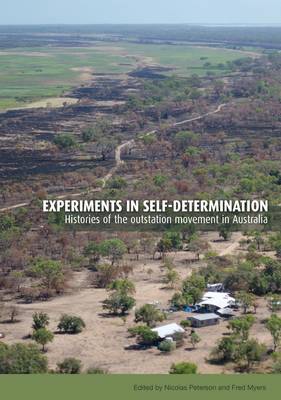
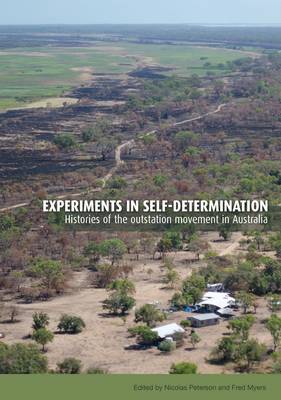
Experiments in self-determination
Histories of the outstation movement in Australia
€ 53,95
+ 107 punten
Omschrijving
Outstations, which dramatically increased in numbers in the 1970s, are small, decentralised and relatively permanent communities of kin established by Aboriginal people on land that has social, cultural or economic significance to them. In 2015 they yet again came under attack, this time as an expensive lifestyle choice that can no longer be supported by state governments. Yet outstations are the original, and most striking, manifestation of remote-area Aboriginal people's aspirations for self-determination, and of the life projects by which they seek, and have sought, autonomy in deciding the meaning of their life independently of projects promoted by the state and market. They are not simply projects of isolation from outside influences, as they have sometimes been characterised, but attempts by people to take control of the course of their lives. In the sometimes acrimonious debates about outstations, the lived experiences, motivations and histories of existing communities are missing. For this reason, we invited a number of anthropological witnesses to the early period in which outstations gained a purchase in remote Australia to provide accounts of what these communities were like, and what their residents' aspirations and experiences were. Our hope is that these closer-to-the-ground accounts provide insight into, and understanding of, what Indigenous aspirations were in the establishment and organisation of these communities.
Specificaties
Betrokkenen
- Uitgeverij:
Inhoud
- Aantal bladzijden:
- 384
- Taal:
- Engels
- Reeks:
Eigenschappen
- Productcode (EAN):
- 9781925022896
- Verschijningsdatum:
- 1/01/2016
- Uitvoering:
- Paperback
- Formaat:
- Trade paperback (VS)
- Afmetingen:
- 176 mm x 250 mm
- Gewicht:
- 870 g

Alleen bij Standaard Boekhandel
+ 107 punten op je klantenkaart van Standaard Boekhandel
Cadeau

AANGERADEN


Beoordelingen
We publiceren alleen reviews die voldoen aan de voorwaarden voor reviews. Bekijk onze voorwaarden voor reviews.