


- Afhalen na 1 uur in een winkel met voorraad
- Gratis thuislevering in België vanaf € 30
- Ruim aanbod met 7 miljoen producten
- Afhalen na 1 uur in een winkel met voorraad
- Gratis thuislevering in België vanaf € 30
- Ruim aanbod met 7 miljoen producten





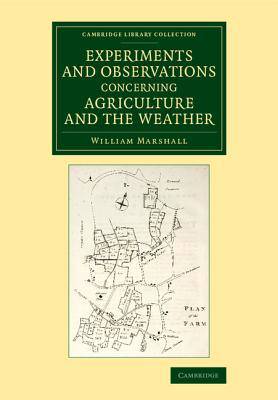
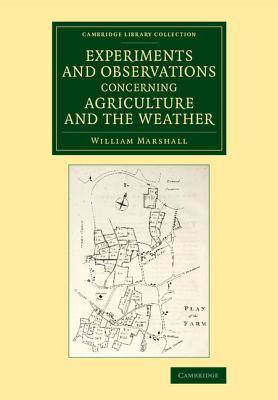
Experiments and Observations Concerning Agriculture and the Weather
William Marshall
€ 64,45
+ 128 punten
Omschrijving
William Marshall (1745-1818), from farming stock, became a farmer and then estate manager and land agent after several years conducting business in the West Indies. This 1779 book (one of his earliest) describes his observations and experiments on his farm in Surrey (which he later had to give up because of his partner's bankruptcy). A description of the size, soil type and aspect of his various fields is followed by a summary of the experiments he carried out - mostly simple ones, such as comparing results if seeded fields were rolled or not. Diary records over two years for each crop are given, with areas sown, soil conditions and weather data. A chapter is devoted to weather prognostications, and another to day-to-day farm management and accounts. Marshall hoped that the systematic reporting of his findings would be of use to others, and the work provides interesting insights into the beginnings of scientifically based agriculture.
Specificaties
Betrokkenen
- Auteur(s):
- Uitgeverij:
Inhoud
- Aantal bladzijden:
- 262
- Taal:
- Engels
- Reeks:
Eigenschappen
- Productcode (EAN):
- 9781108075831
- Verschijningsdatum:
- 19/02/2016
- Uitvoering:
- Paperback
- Formaat:
- Trade paperback (VS)
- Afmetingen:
- 170 mm x 244 mm
- Gewicht:
- 421 g


Alleen bij Standaard Boekhandel
+ 128 punten op je klantenkaart van Standaard Boekhandel
Cadeau

AANGERADEN


Beoordelingen
We publiceren alleen reviews die voldoen aan de voorwaarden voor reviews. Bekijk onze voorwaarden voor reviews.