


- Afhalen na 1 uur in een winkel met voorraad
- Gratis thuislevering in België vanaf € 30
- Ruim aanbod met 7 miljoen producten
- Afhalen na 1 uur in een winkel met voorraad
- Gratis thuislevering in België vanaf € 30
- Ruim aanbod met 7 miljoen producten





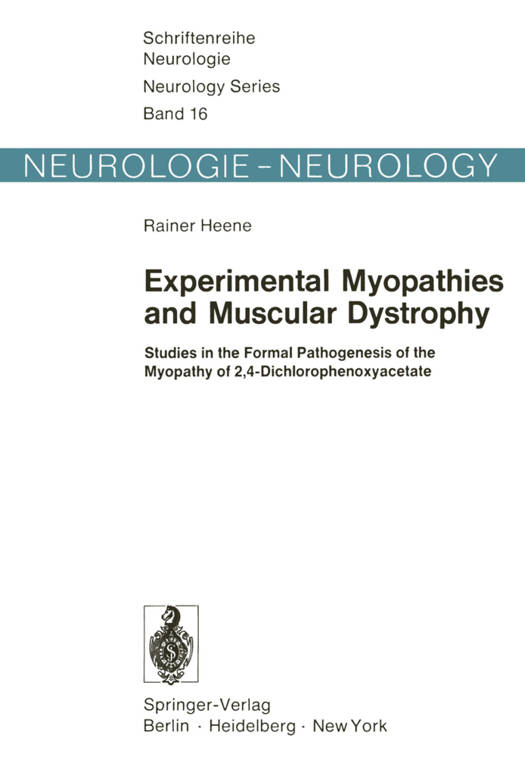
Experimental Myopathies and Muscular Dystrophy
Studies in the Formal Pathogenesis of the Myopathy of 2,4-Dichlorophenoxyacetate
R Heene
€ 131,99
+ 263 punten
Omschrijving
Experimental Myopathies and Muscular Dystrophy. A Study of the Formal Pathogenesis of Primary Myopathies as Exemplified in the Myopathy of 2,4-Dichlorophenoxyacetic Acid The histochemical types of muscle fibres are described and a report presented of the histological and histochemical altera- tions in skeletal muscles (tibialis anterior, gastrocnemius and soleus muscles) of rats given intraperitoneal injections of the herbicide, 2,4-dichlorophenoxyacetic acid (2,4-0). The liver and myocardium of the experimental animals were also examined. In skeletal muscle, alterations occurring acutely within 1 to 1. 5 h after injection of a single dose of 300 mg/kg 2,4-0 could be distinguished from changes which developed subacutely in the course of treatment with repeated injections of one quarter to one half of the LDSO of the substance. In both con- ditions white (type 2B/Am) muscle fibres were involved pre- dilectively. The principal histochemical effect of acute intoxi- cation observed was leakage of phosphorylase and glycogen from white muscle fibres, whereas some of the red fibres (type 2A/C ) m showed an increase in primary glycogen and phosphorylase activ- ity. These changes, which must be considered nonspecifi, were established by use of a gelatin incubation technique. They occurred as typical findings in the middle and deep areas of the anterior tibial muscle. In other muscles or different layers of the same muscle, these changes varied considerably in degree. Thus the gastrocnemius and soleus muscles displayed only minor or no alterations.
Specificaties
Betrokkenen
- Auteur(s):
- Uitgeverij:
Inhoud
- Aantal bladzijden:
- 100
- Taal:
- Engels
- Reeks:
- Reeksnummer:
- nr. 16
Eigenschappen
- Productcode (EAN):
- 9783642662027
- Verschijningsdatum:
- 7/12/2011
- Uitvoering:
- Paperback
- Formaat:
- Trade paperback (VS)
- Afmetingen:
- 170 mm x 244 mm
- Gewicht:
- 190 g


Alleen bij Standaard Boekhandel
+ 263 punten op je klantenkaart van Standaard Boekhandel
Wedstrijd


Beoordelingen
We publiceren alleen reviews die voldoen aan de voorwaarden voor reviews. Bekijk onze voorwaarden voor reviews.