


- Afhalen na 1 uur in een winkel met voorraad
- Gratis thuislevering in België vanaf € 30
- Ruim aanbod met 7 miljoen producten
- Afhalen na 1 uur in een winkel met voorraad
- Gratis thuislevering in België vanaf € 30
- Ruim aanbod met 7 miljoen producten





€ 68,45
+ 136 punten
Omschrijving
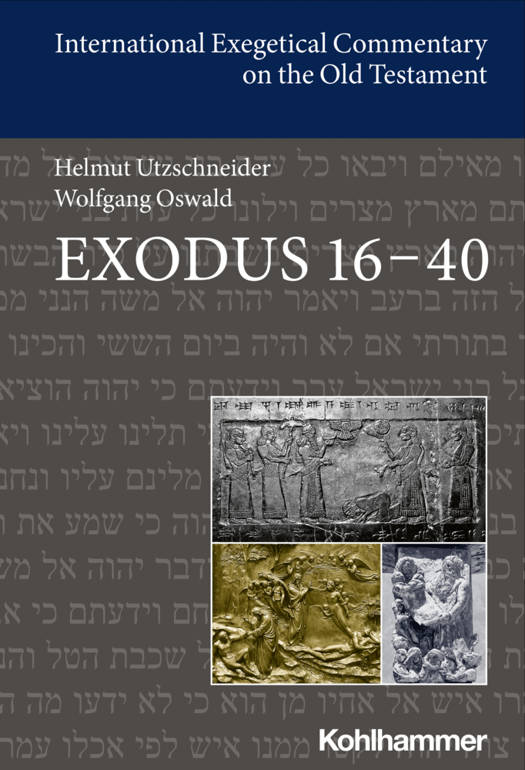
The commentary interprets the Hebrew text first from a synchronous perspective, both literarily and theologically. In Ex 15-18, Israel's relationship with God is described as a conflict and a test. At Sinai, YHWH comes so close to his people in the Torah and in the sanctuary that he overcomes himself in his mercy.Preceding stages of the text are reconstructed diachronically: The oldest narrative recounts the constitution of Israel as a republic with the Decalogue and the Covenant Code as its constitution. The Deuteronomists adapt this narrative to their laws, while the priestly composition envisions a sanctuary founded by the people. After all, Israel appears as a complex community resting on the pillars of law and sanctuary. Syntheses reflect the relationship between the two interpretations.
Specificaties
Betrokkenen
- Auteur(s):
- Uitgeverij:
Inhoud
- Taal:
- Engels
- Reeks:
Eigenschappen
- Productcode (EAN):
- 9783170462731
- Verschijningsdatum:
- 30/09/2026
- Uitvoering:
- Hardcover


Alleen bij Standaard Boekhandel
+ 136 punten op je klantenkaart van Standaard Boekhandel
Cadeau

AANGERADEN


Beoordelingen
We publiceren alleen reviews die voldoen aan de voorwaarden voor reviews. Bekijk onze voorwaarden voor reviews.