


- Afhalen na 1 uur in een winkel met voorraad
- Gratis thuislevering in België vanaf € 30
- Ruim aanbod met 7 miljoen producten
- Afhalen na 1 uur in een winkel met voorraad
- Gratis thuislevering in België vanaf € 30
- Ruim aanbod met 7 miljoen producten





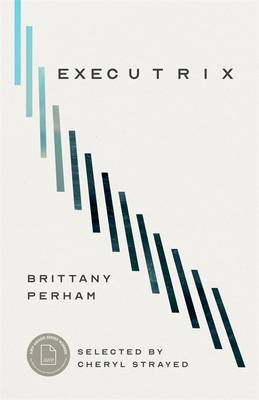
Executrix
Brittany Perham
€ 37,45
+ 74 punten
Omschrijving
Executrix begins with a mystery: Why would the author's father, from whom she had been estranged for more than a decade, change his will in the weeks before his death to make her the executor of his estate? Executrix charts the process of sorting out the business of this indebted estate using the language of real estate foreclosure, income tax audits, and medical records. The executor transforms the disjointed details of a life into a tidy financial narrative that meets the demands of claimants; the writer transforms the disjointed details of a life into a story that meets the demands of memory. Through this twin accounting, Perham asks the big questions: What are the implications of being the child of an alcoholic? How do we reconcile memories that are fragmented, elided, or nonexistent? And what does it mean to write true "nonfiction"? With surprising humor, real tenderness, and, above all, a daring formal inventiveness, Executrix launches a critical investigation into family stories and secrets, and the genre of memoir itself.
Specificaties
Betrokkenen
- Auteur(s):
- Uitgeverij:
Inhoud
- Aantal bladzijden:
- 208
- Taal:
- Engels
- Reeks:
Eigenschappen
- Productcode (EAN):
- 9780820377780
- Verschijningsdatum:
- 15/09/2026
- Uitvoering:
- Paperback
- Formaat:
- Trade paperback (VS)
- Afmetingen:
- 140 mm x 216 mm


Alleen bij Standaard Boekhandel
+ 74 punten op je klantenkaart van Standaard Boekhandel
CADEAU

AANGERADEN


Beoordelingen
We publiceren alleen reviews die voldoen aan de voorwaarden voor reviews. Bekijk onze voorwaarden voor reviews.