


- Afhalen na 1 uur in een winkel met voorraad
- Gratis thuislevering in België vanaf € 30
- Ruim aanbod met 7 miljoen producten
- Afhalen na 1 uur in een winkel met voorraad
- Gratis thuislevering in België vanaf € 30
- Ruim aanbod met 7 miljoen producten





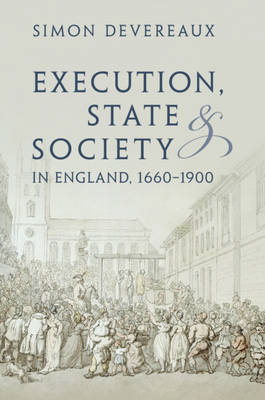
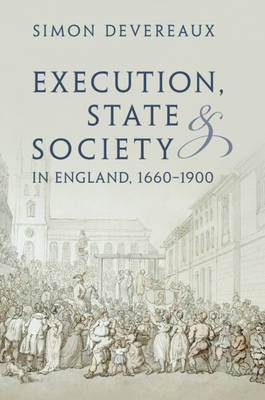
Execution, State and Society in England, 1660-1900
Simon Devereaux
€ 44,95
+ 89 punten
Eenvoudig bestellen
Veilig betalen


Gratis thuislevering vanaf € 30 (via bpost)
Gratis levering in je Standaard Boekhandel
Omschrijving
This book provides the first comprehensive account of execution practices in England and their extraordinary transformation from 1660 to 1900. Agonizing execution rituals were once common. Male traitors were hanged, disembowelled while still alive, then decapitated and quartered. Female traitors were burned alive. And common criminals slowly choked to death beneath wooden crossbeams erected at the margins of towns. Some of their bodies were either left to rot on roadside gibbets or dissected by anatomy instructors. Two centuries later, only murderers and traitors were executed - both by hanging - and they died alone, usually quickly, and behind prison walls. In this major contribution to the history of crime and punishment in England, Simon Devereaux reveals how urban growth, and the unique public culture it produced, challenged and largely displaced those traditional elites who valued the old 'Bloody Code' as an instrument of their rule.
Specificaties
Betrokkenen
- Auteur(s):
- Uitgeverij:
Inhoud
- Aantal bladzijden:
- 410
- Taal:
- Engels
- Reeks:
Eigenschappen
- Productcode (EAN):
- 9781009392105
- Verschijningsdatum:
- 27/11/2025
- Uitvoering:
- Paperback
- Formaat:
- Trade paperback (VS)
- Afmetingen:
- 152 mm x 229 mm
- Gewicht:
- 544 g


Alleen bij Standaard Boekhandel
+ 89 punten op je klantenkaart van Standaard Boekhandel
CADEAU

AANGERADEN


Beoordelingen
We publiceren alleen reviews die voldoen aan de voorwaarden voor reviews. Bekijk onze voorwaarden voor reviews.