


- Afhalen na 1 uur in een winkel met voorraad
- Gratis thuislevering in België vanaf € 30
- Ruim aanbod met 7 miljoen producten
- Afhalen na 1 uur in een winkel met voorraad
- Gratis thuislevering in België vanaf € 30
- Ruim aanbod met 7 miljoen producten




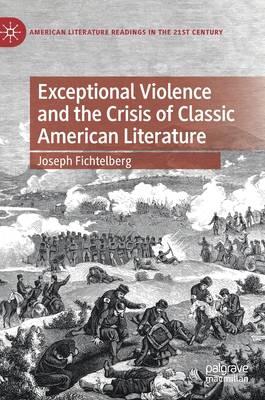
Exceptional Violence and the Crisis of Classic American Literature
Joseph Fichtelberg
€ 108,45
+ 216 punten
Uitvoering
Omschrijving
This book is an interdisciplinary study of antebellum American literature and the problem of political emergency. Arguing that the United States endured sustained conflicts over the nature and operation of sovereignty in the unsettled era from the Founding to the Civil War, the book presents two forms of governance: local and regional control, and national governance. The period's states of exception arose from these clashing imperatives, creating contests over land, finance, and, above all, slavery, that drove national politics. Extensively employing the political and cultural insights of Walter Benjamin, this book surveys antebellum American writers to understand how they situated themselves and their work in relation to these episodes, specifically focusing on the experience of violence. Exploring the work of Edgar Allan Poe, ex-slave narrators like Moses Roper and Henry Bibb, Herman Melville and Emily Dickinson, the book applies some central aspects of Walter Benjamin's literary and cultural criticism to the deep investment in pain in antebellum politics and culture.
Specificaties
Betrokkenen
- Auteur(s):
- Uitgeverij:
Inhoud
- Aantal bladzijden:
- 261
- Taal:
- Engels
- Reeks:
Eigenschappen
- Productcode (EAN):
- 9783031078446
- Verschijningsdatum:
- 25/08/2022
- Uitvoering:
- Hardcover
- Formaat:
- Genaaid
- Afmetingen:
- 148 mm x 210 mm
- Gewicht:
- 480 g


Alleen bij Standaard Boekhandel
+ 216 punten op je klantenkaart van Standaard Boekhandel
CADEAU

AANGERADEN


Beoordelingen
We publiceren alleen reviews die voldoen aan de voorwaarden voor reviews. Bekijk onze voorwaarden voor reviews.