


- Afhalen na 1 uur in een winkel met voorraad
- Gratis thuislevering in België vanaf € 30
- Ruim aanbod met 7 miljoen producten
- Afhalen na 1 uur in een winkel met voorraad
- Gratis thuislevering in België vanaf € 30
- Ruim aanbod met 7 miljoen producten





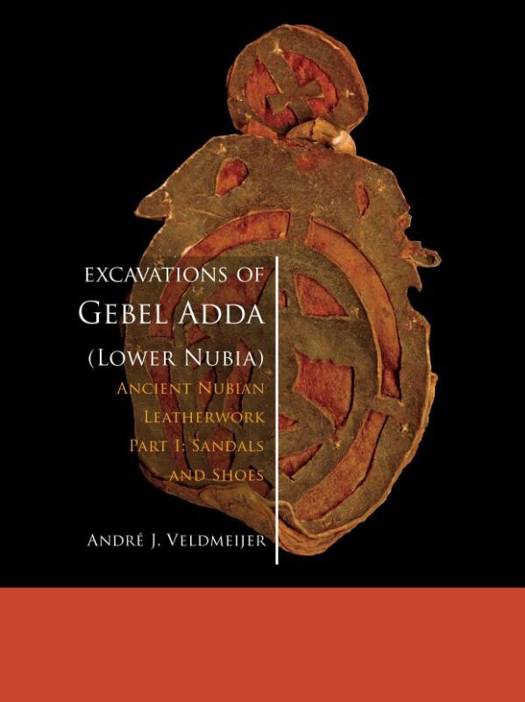
Excavations of Gebel Adda (Lower Nubia)
Ancient Nubian Leatherwork. Part I: Sandals and Shoes
Andre J Veldmeijer
Hardcover | Engels
€ 220,00
+ 440 punten
Omschrijving
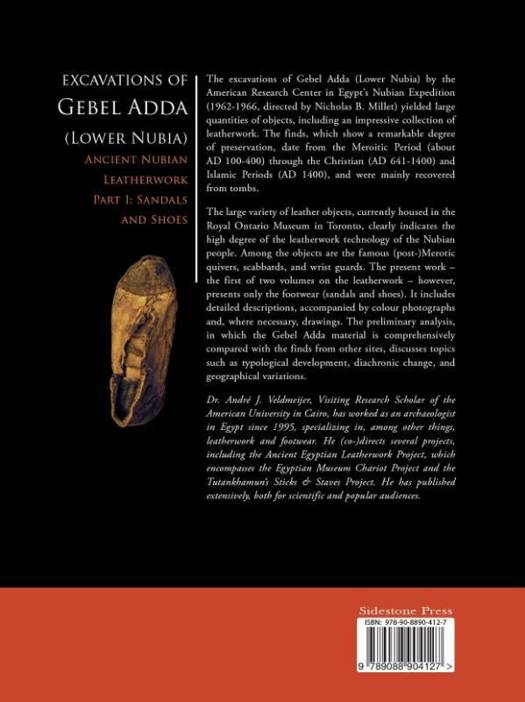
The excavations of Gebel Adda (Lower Nubia) by the American Research Center in Egypt's Nubian Expedition (1962-1966, directed by Nicholas B. Millet) yielded large quantities of objects, including an impressive collection of leatherwork. The finds, which show a remarkable degree of preservation, date from the Meroitic Period (about AD 100-400) through the Christian (AD 641-1400) and Islamic Periods (AD 1400), and were mainly recovered from tombs.
The large variety of leather objects, currently housed in the Royal Ontario Museum in Toronto, clearly indicates the high degree of the leatherwork technology of the Nubian people. Among the objects are the famous (post-)Merotic quivers, scabbards, and wrist guards. The present work - the first of two volumes on the leatherwork - however, presents only the footwear (sandals and shoes). It includes detailed descriptions, accompanied by color photographs and, where necessary, drawings. The preliminary analysis, in which the Gebel Adda material is comprehensively compared with the finds from other sites, discusses topics such as typological development, diachronic change, and geographical variations.
The large variety of leather objects, currently housed in the Royal Ontario Museum in Toronto, clearly indicates the high degree of the leatherwork technology of the Nubian people. Among the objects are the famous (post-)Merotic quivers, scabbards, and wrist guards. The present work - the first of two volumes on the leatherwork - however, presents only the footwear (sandals and shoes). It includes detailed descriptions, accompanied by color photographs and, where necessary, drawings. The preliminary analysis, in which the Gebel Adda material is comprehensively compared with the finds from other sites, discusses topics such as typological development, diachronic change, and geographical variations.
Specificaties
Betrokkenen
- Auteur(s):
- Uitgeverij:
Inhoud
- Aantal bladzijden:
- 300
- Taal:
- Engels
Eigenschappen
- Productcode (EAN):
- 9789088904134
- Verschijningsdatum:
- 9/01/2017
- Uitvoering:
- Hardcover
- Formaat:
- Genaaid
- Afmetingen:
- 211 mm x 282 mm
- Gewicht:
- 1088 g


Alleen bij Standaard Boekhandel
+ 440 punten op je klantenkaart van Standaard Boekhandel
AANGERADEN


Beoordelingen
We publiceren alleen reviews die voldoen aan de voorwaarden voor reviews. Bekijk onze voorwaarden voor reviews.