


- Afhalen na 1 uur in een winkel met voorraad
- Gratis thuislevering in België vanaf € 30
- Ruim aanbod met 7 miljoen producten
- Afhalen na 1 uur in een winkel met voorraad
- Gratis thuislevering in België vanaf € 30
- Ruim aanbod met 7 miljoen producten





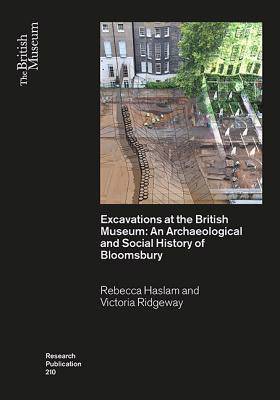
Excavations at the British Museum
An Archaeological and Social History of Bloomsbury
Rebecca Haslam, Victoria Ridgeway
€ 138,95
+ 277 punten
Omschrijving
In 1999 and 2007 respectively, the central courtyard and the northwest corner of the British Museum estate were redeveloped in order to create two iconic additions to the institution: the Great Court and the World Conservation and Exhibitions Centre. The execution of these projects provided the opportunity to investigate the archaeology and history of the Bloomsbury area and the museum itself through excavation and archival research. This volume presents the results of the ensuing studies undertaken by Pre-Construct Archaeology and in so doing details the evolution of this area of London from the Roman period into modern times. The book charts the impact that the growth of the Museum and its collection has had on the surrounding area of Bloomsbury, as well as focusing on two of the key finds of the excavation: the discovery of the hitherto elusive Civil War defenses of London and the intriguing assemblage of dead cows recovered from an early 18th-century collection of graves buried underneath the site. The book presents an overview of the wider urban landscape in which the British Museum is situated and discusses multiple interconnected themes from urban development and housing to domestic material culture and urban garden design. The result is a fascinating study of one of the most iconic areas of London and provides a fresh insight into the history of the British Museum.
Specificaties
Betrokkenen
- Auteur(s):
- Uitgeverij:
Inhoud
- Aantal bladzijden:
- 250
- Taal:
- Engels
- Reeks:
- Reeksnummer:
- nr. 210
Eigenschappen
- Productcode (EAN):
- 9780861592104
- Verschijningsdatum:
- 5/06/2017
- Uitvoering:
- Paperback
- Formaat:
- Trade paperback (VS)
- Afmetingen:
- 211 mm x 297 mm
- Gewicht:
- 1437 g


Alleen bij Standaard Boekhandel
+ 277 punten op je klantenkaart van Standaard Boekhandel
Wedstrijd


Beoordelingen
We publiceren alleen reviews die voldoen aan de voorwaarden voor reviews. Bekijk onze voorwaarden voor reviews.