



Je cadeautjes zeker op tijd in huis hebben voor de feestdagen? Kom langs in onze winkels en vind het perfecte geschenk!
- Afhalen na 1 uur in een winkel met voorraad
- Gratis thuislevering in België vanaf € 30
- Ruim aanbod met 7 miljoen producten
Je cadeautjes zeker op tijd in huis hebben voor de feestdagen? Kom langs in onze winkels en vind het perfecte geschenk!
- Afhalen na 1 uur in een winkel met voorraad
- Gratis thuislevering in België vanaf € 30
- Ruim aanbod met 7 miljoen producten





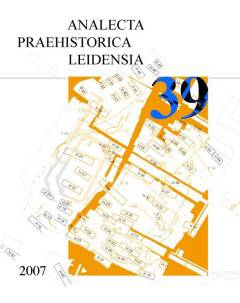
Omschrijving
In the summer of 1991, the Dutch media featured extensively the excavation of an early Bandkeramik (LBK) village in Geleen, Limburg. The headlines in the newspapers read: "7000 years old farmers village", "Oldest village of the Netherlands discovered in Geleen", "Old farm village excavated", etc. The discovery was mentioned in the news programmes on all Dutch TV channels. The Dutch radio called the site the oldest "Brandkeramische" (instead of "Bandkeramische") site of the Netherlands (brand means fire...). Not only the Dutch press was interested, even German and Belgian newspapers wrote about "The Earliest Dutch Village". What was the case? The University of Leiden was excavating an almost complete prehistoric village once inhabited by the very first farmers in this part of Europe. If it was not the first village of the Netherlands, then it was at least one of a series of early villages.
This volume is the publication of the results of the 1990 and 1991 excavations and following research. Contributing authors are: Pieter van de Velde (ed), Leendert P. Louwe Kooijmans, Corrie Bakels, Hans Kamermans, Annelou van Gijn, Marjorie de Grooth, Annemieke Verbaas en Leon G.L. van Hoof.
This volume is the publication of the results of the 1990 and 1991 excavations and following research. Contributing authors are: Pieter van de Velde (ed), Leendert P. Louwe Kooijmans, Corrie Bakels, Hans Kamermans, Annelou van Gijn, Marjorie de Grooth, Annemieke Verbaas en Leon G.L. van Hoof.
Specificaties
Betrokkenen
- Auteur(s):
- Uitgeverij:
Inhoud
- Aantal bladzijden:
- 278
- Taal:
- Engels
- Reeks:
- Reeksnummer:
- nr. 39
Eigenschappen
- Productcode (EAN):
- 9789073368224
- Verschijningsdatum:
- 15/07/2008
- Uitvoering:
- Paperback
- Afmetingen:
- 211 mm x 265 mm
- Gewicht:
- 926 g


Alleen bij Standaard Boekhandel
+ 153 punten op je klantenkaart van Standaard Boekhandel
CADEAU


Beoordelingen
We publiceren alleen reviews die voldoen aan de voorwaarden voor reviews. Bekijk onze voorwaarden voor reviews.