


- Afhalen na 1 uur in een winkel met voorraad
- Gratis thuislevering in België vanaf € 30
- Ruim aanbod met 7 miljoen producten
- Afhalen na 1 uur in een winkel met voorraad
- Gratis thuislevering in België vanaf € 30
- Ruim aanbod met 7 miljoen producten





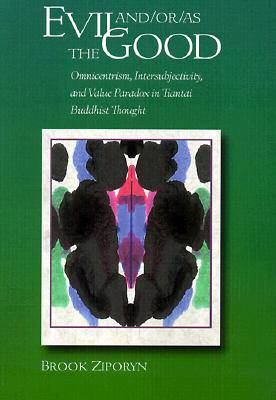
Evil And/Or/As the Good
Omnicentrism, Intersubjectivity, and Value Paradox in Tiantai Buddhist Thought
Brook Ziporyn
€ 88,45
+ 176 punten
Omschrijving
Other than the devil, there is no Buddha; other than the Buddha, there is no devil. The Chinese monk Siming Zhili (960-1028) uttered this remark as part of his justification for his self-immolation. An exposition of the intent, implications, and resonance of this one sentence, this book expands and unravels the context in which the seeming paradox of the ultimate identity of good and evil is to be understood. In analysing this idea, the author provides an overview of the development of Tiantai thought from the fifth through the 11th centuries in China and contributes to our understanding of Chinese intellectual culture and Chinese Buddhism, as well as to basic ontological, epistemological, and axiological issues of interest in modern philosophy.
Specificaties
Betrokkenen
- Auteur(s):
- Uitgeverij:
Inhoud
- Aantal bladzijden:
- 482
- Taal:
- Engels
- Reeks:
Eigenschappen
- Productcode (EAN):
- 9780674002487
- Verschijningsdatum:
- 15/09/2000
- Uitvoering:
- Hardcover
- Formaat:
- Genaaid
- Afmetingen:
- 160 mm x 236 mm
- Gewicht:
- 816 g


Alleen bij Standaard Boekhandel
+ 176 punten op je klantenkaart van Standaard Boekhandel
Wedstrijd


Beoordelingen
We publiceren alleen reviews die voldoen aan de voorwaarden voor reviews. Bekijk onze voorwaarden voor reviews.