


- Afhalen na 1 uur in een winkel met voorraad
- Gratis thuislevering in België vanaf € 30
- Ruim aanbod met 7 miljoen producten
- Afhalen na 1 uur in een winkel met voorraad
- Gratis thuislevering in België vanaf € 30
- Ruim aanbod met 7 miljoen producten





€ 89,95
+ 179 punten
Uitvoering
Omschrijving
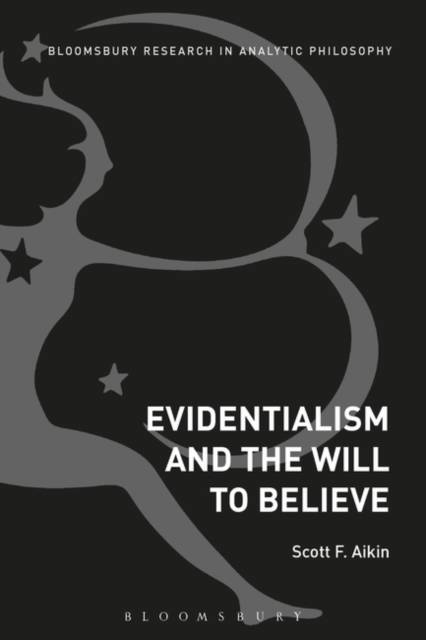
Work on the norms of belief in epistemology regularly starts with two touchstone essays: W.K. Clifford's "The Ethics of Belief" and William James's "The Will to Believe." Discussing the central themes from these seminal essays, Evidentialism and the Will to Believe explores the history of the ideas governing evidentialism.
As well as Clifford's argument from the examples of the shipowner, the consequences of credulity and his defence against skepticism, this book tackles James's conditions for a genuine option and the structure of the will to believe case as a counter-example to Clifford's evidentialism. Exploring the question of whether James's case successfully counters Clifford's evidentialist rule for belief, this study captures the debate between those who hold that one should proportion belief to evidence and those who hold that the evidentialist norm is too restrictive. More than a sustained explication of the essays, it also surveys recent epistemological arguments to evidentialism. But it is by bringing Clifford and James into fruitful conversation for the first time that this study presents a clearer history of the issues and provides an important reconstruction of the notion of evidence in contemporary epistemology.Specificaties
Betrokkenen
- Auteur(s):
- Uitgeverij:
Inhoud
- Aantal bladzijden:
- 240
- Taal:
- Engels
Eigenschappen
- Productcode (EAN):
- 9781474265836
- Verschijningsdatum:
- 19/11/2015
- Uitvoering:
- Paperback
- Formaat:
- Trade paperback (VS)
- Afmetingen:
- 156 mm x 234 mm
- Gewicht:
- 340 g



Alleen bij Standaard Boekhandel
+ 179 punten op je klantenkaart van Standaard Boekhandel
Cadeau

AANGERADEN


Beoordelingen
We publiceren alleen reviews die voldoen aan de voorwaarden voor reviews. Bekijk onze voorwaarden voor reviews.