


- Afhalen na 1 uur in een winkel met voorraad
- Gratis thuislevering in België vanaf € 30
- Ruim aanbod met 7 miljoen producten
- Afhalen na 1 uur in een winkel met voorraad
- Gratis thuislevering in België vanaf € 30
- Ruim aanbod met 7 miljoen producten




Omschrijving
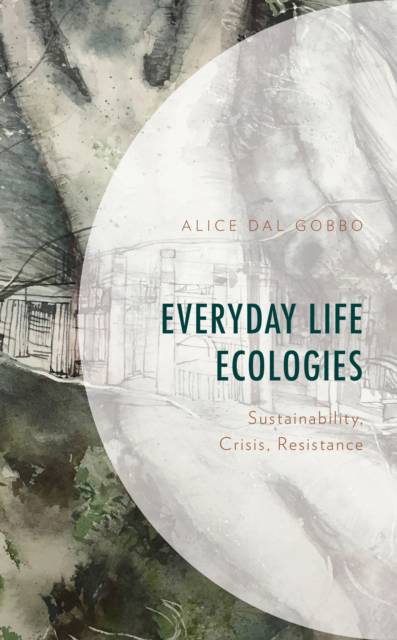
Everyday Life Ecologies: Sustainability, Crisis, Resistance is about those complex, sticky, but also open arrangements of bodies, objects, and plants that make up daily existence. The multiple and interlocking lines of a long capitalist crisis disrupt their normal flow: sometimes, they open opportunities for transformation, sometimes else, they foreclose horizons of change. In contrast with approaches that respond to environmental crisis by advocating "sustainable lifestyles" and "responsible behaviors," Alice Dal Gobbo suggests that it is necessary to address the complex socio-material relationalities that constitute everyday ecologies. Beyond that, the book argues for their politicization, illuminating daily existence as embedded in capitalist relations of re/production. Combining political ecology and new materialist sensitivities, this book investigates the ways in which ecologically damaging logics are inscribed in everyday assemblages through their habitual rehearsal and libidinal hold. But it also points to how apparently banal acts of resistance embody and promote different logics, such as a logic of care and an ecological "aesth-ethics" of desire. Based on ethnographic fieldwork in the Northeast of Italy, this journey through the concrete matters and beings of daily life in crisis talks beyond this emplaced reality and dialogues with emerging forms of contestation and prefiguration that put socio-ecological reproduction at their center.
Specificaties
Betrokkenen
- Auteur(s):
- Uitgeverij:
Inhoud
- Aantal bladzijden:
- 266
- Taal:
- Engels
- Reeks:
Eigenschappen
- Productcode (EAN):
- 9781666920666
- Verschijningsdatum:
- 25/04/2023
- Uitvoering:
- Hardcover
- Formaat:
- Genaaid
- Afmetingen:
- 152 mm x 229 mm
- Gewicht:
- 562 g



Alleen bij Standaard Boekhandel
+ 373 punten op je klantenkaart van Standaard Boekhandel
AANGERADEN


Beoordelingen
We publiceren alleen reviews die voldoen aan de voorwaarden voor reviews. Bekijk onze voorwaarden voor reviews.