


- Afhalen na 1 uur in een winkel met voorraad
- Gratis thuislevering in België vanaf € 30
- Ruim aanbod met 7 miljoen producten
- Afhalen na 1 uur in een winkel met voorraad
- Gratis thuislevering in België vanaf € 30
- Ruim aanbod met 7 miljoen producten





€ 49,95
+ 99 punten
Omschrijving
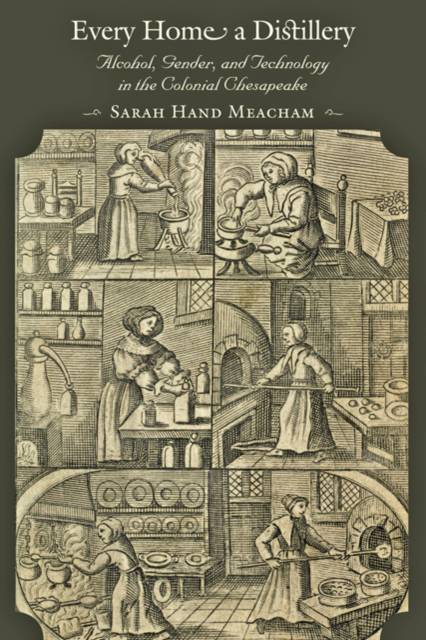
In this original examination of alcohol production in early America, Sarah Hand Meacham uncovers the crucial role women played in cidering and distilling in the colonial Chesapeake. Her fascinating story is one defined by gender, class, technology, and changing patterns of production. Alcohol was essential to colonial life; the region's water was foul, milk was generally unavailable, and tea and coffee were far too expensive for all but the very wealthy. Colonists used alcohol to drink, in cooking, as a cleaning agent, in beauty products, and as medicine. Meacham finds that the distillation and brewing of alcohol for these purposes traditionally fell to women. Advice and recipes in such guidebooks as The Accomplisht Ladys Delight demonstrate that women were the main producers of alcohol until the middle of the 18th century. Men, mostly small planters, then supplanted women, using new and cheaper technologies to make the region's cider, ale, and whiskey. Meacham compares alcohol production in the Chesapeake with that in New England, the middle colonies, and Europe, finding the Chesapeake to be far more isolated than even the other American colonies. She explains how home brewers used new technologies, such as small alembic stills and inexpensive cider pressing machines, in their alcoholic enterprises. She links the importation of coffee and tea in America to the temperance movement, showing how the wealthy became concerned with alcohol consumption only after they found something less inebriating to drink. Taking a few pages from contemporary guidebooks, Every Home a Distillery includes samples of historic recipes and instructions on how to make alcoholic beverages. American historians will find this study both enlightening and surprising.
Specificaties
Betrokkenen
- Auteur(s):
- Uitgeverij:
Inhoud
- Aantal bladzijden:
- 208
- Taal:
- Engels
- Reeks:
Eigenschappen
- Productcode (EAN):
- 9781421409634
- Verschijningsdatum:
- 1/03/2013
- Uitvoering:
- Paperback
- Formaat:
- Trade paperback (VS)
- Afmetingen:
- 152 mm x 231 mm
- Gewicht:
- 272 g


Alleen bij Standaard Boekhandel
+ 99 punten op je klantenkaart van Standaard Boekhandel
Cadeau

AANGERADEN


Beoordelingen
We publiceren alleen reviews die voldoen aan de voorwaarden voor reviews. Bekijk onze voorwaarden voor reviews.