


- Afhalen na 1 uur in een winkel met voorraad
- Gratis thuislevering in België vanaf € 30
- Ruim aanbod met 7 miljoen producten
- Afhalen na 1 uur in een winkel met voorraad
- Gratis thuislevering in België vanaf € 30
- Ruim aanbod met 7 miljoen producten





€ 50,45
+ 100 punten
Uitvoering
Omschrijving
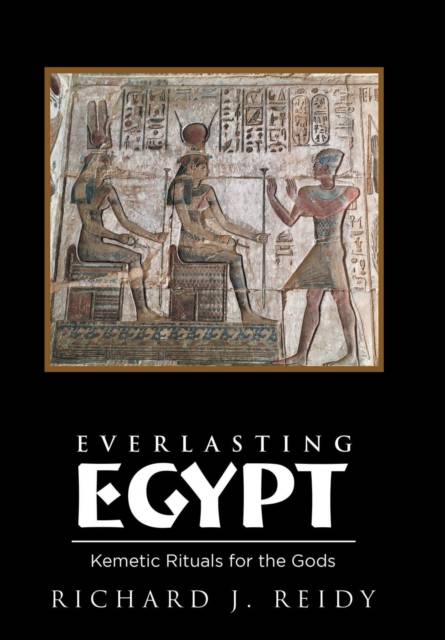
Everlasting Egypt: Kemetic Rituals for the Gods continues Richard Reidys groundbreaking work and collects more temple rituals from Egypt. The author presents rites for personal and group use, augmenting and updating those in his first volume, Eternal Egypt: Ancient Rituals for the Modern World. The guidebook: Presents over 37 rituals for Gods, Goddesses, and Annual and Lunar Festivals in a form designed to assist practitioners in restoring the ancient rites of Egypt; Provides for modern usage, with key ritual texts coming from authenticated ancient sources, as well as commentaries and background information; Includes a comprehensive Introduction with a model for organizing a modern Kemetic Temple or Group; Includes updated Egyptian vocalizations and a pronunciation key; Offers practical information for conducting these rituals in todays world. These ritual texts reveal once more the deeply spiritual understanding of humanitys relationship to divinity that characterized the ancient Egyptian sense of the sacred. Cover Image: Ritual scene from the Temple of Hathor at Deir el Medina. Ptolemaic Period. Matthew Whealton, 2018.
Specificaties
Betrokkenen
- Auteur(s):
- Uitgeverij:
Inhoud
- Aantal bladzijden:
- 758
- Taal:
- Engels
Eigenschappen
- Productcode (EAN):
- 9781532032011
- Verschijningsdatum:
- 19/07/2018
- Uitvoering:
- Hardcover
- Formaat:
- Genaaid
- Afmetingen:
- 152 mm x 229 mm
- Gewicht:
- 1256 g


Alleen bij Standaard Boekhandel
+ 100 punten op je klantenkaart van Standaard Boekhandel
CADEAU


Beoordelingen
We publiceren alleen reviews die voldoen aan de voorwaarden voor reviews. Bekijk onze voorwaarden voor reviews.