


- Afhalen na 1 uur in een winkel met voorraad
- Gratis thuislevering in België vanaf € 30
- Ruim aanbod met 7 miljoen producten
- Afhalen na 1 uur in een winkel met voorraad
- Gratis thuislevering in België vanaf € 30
- Ruim aanbod met 7 miljoen producten





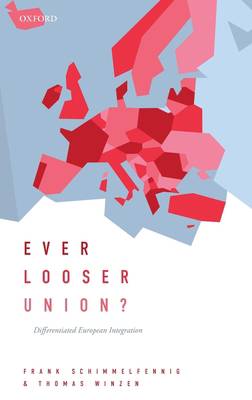
Ever Looser Union?
Differentiated European Integration
Frank Schimmelfennig, Thomas Winzen
Hardcover | Engels
€ 177,45
+ 354 punten
Omschrijving
Differentiated integration has become a durable feature of the European Union and is a major alternative for its future development and reform. This book provides a comprehensive conceptual, theoretical, and empirical analysis of differentiation in European integration. It explains differentiation in EU treaties and legislation in general and offers specific accounts of differentiation in the recent enlargements of the EU, the Eurozone crisis, the Brexit negotiations, and the integration of non-member states. Ever Looser Union? introduces differentiated integration as a legal instrument that European governments use regularly to overcome integration deadlock in EU treaty negotiations and legislation. Differentiated integration follows two main logics. Instrumental differentiation adjusts integration to the heterogeneity of economic preferences and capacities, particularly in the context of enlargement. By contrast, constitutional differentiation accommodates concerns about national self-determination. Whereas instrumental differentiation mainly affects poorer (new) member states, constitutional differentiation offers wealthier and nationally oriented member states opt-outs from the integration of core state powers. The book shows that differentiated integration has facilitated the integration of new policies, new members, and even non-members. It has been mainly 'multi-speed' and inclusive. Most differentiations end after a few years and do not discriminate against member states permanently. Yet differentiation is less suitable for reforming established policies, managing disintegration and fostering solidarity, and the path-dependency of core state power integration may lead to permanent divides in the Union.
Specificaties
Betrokkenen
- Auteur(s):
- Uitgeverij:
Inhoud
- Aantal bladzijden:
- 248
- Taal:
- Engels
Eigenschappen
- Productcode (EAN):
- 9780198854333
- Verschijningsdatum:
- 23/03/2020
- Uitvoering:
- Hardcover
- Formaat:
- Genaaid
- Afmetingen:
- 150 mm x 236 mm
- Gewicht:
- 657 g


Alleen bij Standaard Boekhandel
+ 354 punten op je klantenkaart van Standaard Boekhandel
Cadeau

AANGERADEN


Beoordelingen
We publiceren alleen reviews die voldoen aan de voorwaarden voor reviews. Bekijk onze voorwaarden voor reviews.