



Je cadeautjes zeker op tijd in huis hebben voor de feestdagen? Kom langs in onze winkels en vind het perfecte geschenk!
- Afhalen na 1 uur in een winkel met voorraad
- Gratis thuislevering in België vanaf € 30
- Ruim aanbod met 7 miljoen producten
Je cadeautjes zeker op tijd in huis hebben voor de feestdagen? Kom langs in onze winkels en vind het perfecte geschenk!
- Afhalen na 1 uur in een winkel met voorraad
- Gratis thuislevering in België vanaf € 30
- Ruim aanbod met 7 miljoen producten





Omschrijving
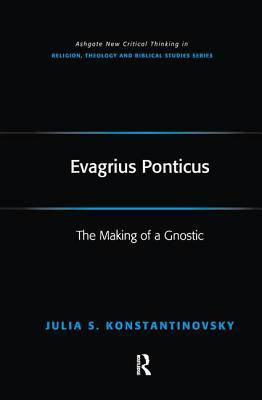
A revered instructor of the eremitic monks of Nitria, Sketis and Kellia, Evagrius Ponticus is a fascinating yet enigmatic figure in the history of fourth-century mystical thought. This historical and theological re-evaluation of the teaching of Evagrius brings to bear evidence from the Greek and Syriac Evagriana. Focusing on Evagrius' concept of perfection as the acquisition of spiritual knowledge, this book revisits current perceptions of Evagrius's thought and character by comparing and contrasting him with his contemporaries and predecessors, both Christian and pagan. Ideas of the three 'Cappadocians' and the author of the Macariana, as well as Stoic, Neo-Platonic and earlier Christian writers such as Alcinoos, Plotinus, Clement and Origen, are all explored. Konstantinovsky draws attention to a lack of uniformity in the fourth-century views on the origin of the soul, the body-soul relation, and the eschatological destiny of humankind.
Specificaties
Betrokkenen
- Auteur(s):
- Uitgeverij:
Inhoud
- Aantal bladzijden:
- 232
- Taal:
- Engels
- Reeks:
Eigenschappen
- Productcode (EAN):
- 9781138278400
- Verschijningsdatum:
- 28/11/2016
- Uitvoering:
- Paperback
- Formaat:
- Trade paperback (VS)
- Afmetingen:
- 156 mm x 234 mm
- Gewicht:
- 331 g


Alleen bij Standaard Boekhandel
+ 228 punten op je klantenkaart van Standaard Boekhandel
CADEAU


Beoordelingen
We publiceren alleen reviews die voldoen aan de voorwaarden voor reviews. Bekijk onze voorwaarden voor reviews.