


- Afhalen na 1 uur in een winkel met voorraad
- Gratis thuislevering in België vanaf € 30
- Ruim aanbod met 7 miljoen producten
- Afhalen na 1 uur in een winkel met voorraad
- Gratis thuislevering in België vanaf € 30
- Ruim aanbod met 7 miljoen producten





€ 22,45
+ 44 punten
Omschrijving
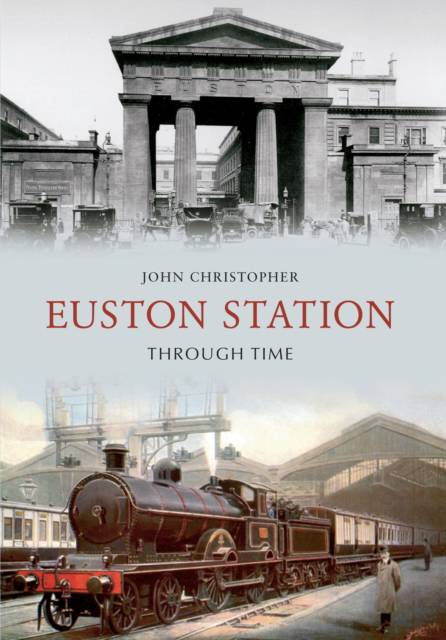
Built as the London terminus of the London & Birmingham Railway in July 1837, Euston was London's first intercity railway station. Originally designed by Philip Hardwick, the station entrance was through the world's largest Doric propylaeum, which became known as the Euston Arch. In the 1840s the station was expanded greatly and by 1923 express trains left Euston regularly for Wales, Scotland and the major cities of England, including Birmingham, Manchester and Liverpool. In 1961 - 2, the original station was demolished, to a huge outcry, and a new modernist station built in its place. In 2007, it was announced that the station would be rebuilt once more, but these plans fell by the wayside and in 2011 a new plan was announced. Euston is one of London's busiest stations, and may eventually be the terminus of the HS2 line. Join the author on a journey through time, telling the story of Euston from 1837 to the present day.
Specificaties
Betrokkenen
- Auteur(s):
- Uitgeverij:
Inhoud
- Aantal bladzijden:
- 96
- Taal:
- Engels
- Reeks:
Eigenschappen
- Productcode (EAN):
- 9781445605296
- Verschijningsdatum:
- 15/06/2012
- Uitvoering:
- Paperback
- Formaat:
- Trade paperback (VS)
- Afmetingen:
- 163 mm x 231 mm
- Gewicht:
- 317 g


Alleen bij Standaard Boekhandel
+ 44 punten op je klantenkaart van Standaard Boekhandel
Cadeau

AANGERADEN


Beoordelingen
We publiceren alleen reviews die voldoen aan de voorwaarden voor reviews. Bekijk onze voorwaarden voor reviews.