


- Afhalen na 1 uur in een winkel met voorraad
- Gratis thuislevering in België vanaf € 30
- Ruim aanbod met 7 miljoen producten
- Afhalen na 1 uur in een winkel met voorraad
- Gratis thuislevering in België vanaf € 30
- Ruim aanbod met 7 miljoen producten





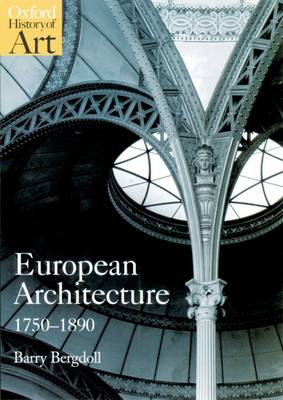
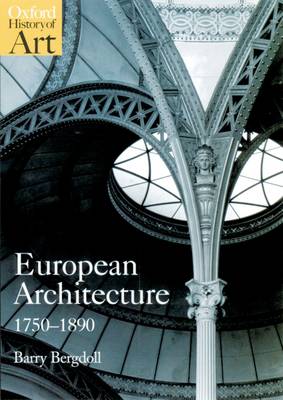
European Architecture 1750-1890
Barry (Professor of Art History, Professor of Art History, Colum
€ 34,95
+ 69 punten
Eenvoudig bestellen
Veilig betalen


Gratis thuislevering vanaf € 30 (via bpost)
Gratis levering in je Standaard Boekhandel
Omschrijving
This comprehensive examination of 18th and 19th-century architecture explores its extreme diversity within the context of social, economic and political upheaval. It offers an analysis of the ways issues of style functioned to make architecture one of the most experimental art forms in the period.
Specificaties
Betrokkenen
- Auteur(s):
- Uitgeverij:
Inhoud
- Aantal bladzijden:
- 336
- Reeks:
Eigenschappen
- Productcode (EAN):
- 9780192842220
- Verschijningsdatum:
- 14/09/2000
- Uitvoering:
- Paperback
- Afmetingen:
- 169 mm x 237 mm
- Gewicht:
- 552 g


Alleen bij Standaard Boekhandel
+ 69 punten op je klantenkaart van Standaard Boekhandel
CADEAU

AANGERADEN


Beoordelingen
We publiceren alleen reviews die voldoen aan de voorwaarden voor reviews. Bekijk onze voorwaarden voor reviews.