


- Afhalen na 1 uur in een winkel met voorraad
- Gratis thuislevering in België vanaf € 30
- Ruim aanbod met 7 miljoen producten
- Afhalen na 1 uur in een winkel met voorraad
- Gratis thuislevering in België vanaf € 30
- Ruim aanbod met 7 miljoen producten





€ 60,95
+ 121 punten
Omschrijving
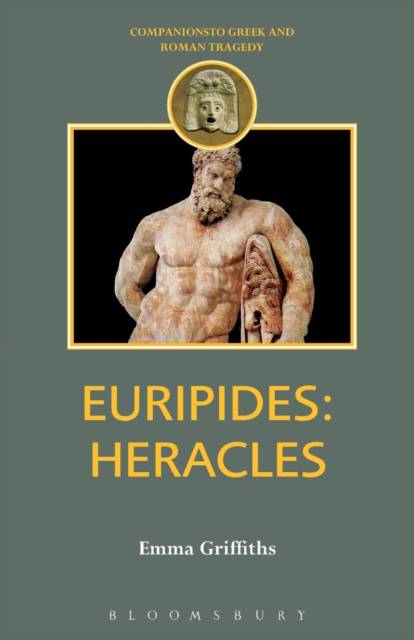
In Euripides' play we see a very different figure from the Heracles of popular imagination. In his account of Heracles' maddened killing of his children, Euripides emphasises the human to the hero's character, presenting him as a loving father. Heracles is an ideal text for those new to ancient drama, raising many central issues of Greek tragedy. Emma Griffiths analyses the key themes and characters while situating the drama in the wider context of Greek tragedy and mythology. Euripides' approach to drama is illustrated through consideration of the hero's self-awareness, and the reception of the play in later art and literature is discussed as part of an exploration of the 'universality' of tragedy.
Specificaties
Betrokkenen
- Auteur(s):
- Uitgeverij:
Inhoud
- Aantal bladzijden:
- 160
- Taal:
- Engels
- Reeks:
Eigenschappen
- Productcode (EAN):
- 9780715631867
- Verschijningsdatum:
- 24/02/2006
- Uitvoering:
- Paperback
- Formaat:
- Trade paperback (VS)
- Afmetingen:
- 140 mm x 216 mm
- Gewicht:
- 226 g


Alleen bij Standaard Boekhandel
+ 121 punten op je klantenkaart van Standaard Boekhandel
Wedstrijd


Beoordelingen
We publiceren alleen reviews die voldoen aan de voorwaarden voor reviews. Bekijk onze voorwaarden voor reviews.