


- Afhalen na 1 uur in een winkel met voorraad
- Gratis thuislevering in België vanaf € 30
- Ruim aanbod met 7 miljoen producten
- Afhalen na 1 uur in een winkel met voorraad
- Gratis thuislevering in België vanaf € 30
- Ruim aanbod met 7 miljoen producten





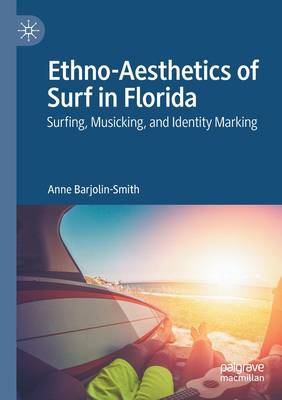
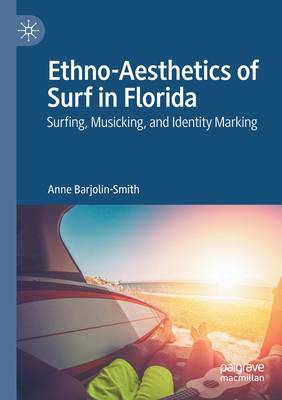
Ethno-Aesthetics of Surf in Florida
Surfing, Musicking, and Identity Marking
Anne Barjolin-Smith
Paperback | Engels
€ 83,95
+ 167 punten
Eenvoudig bestellen
Veilig betalen


Gratis thuislevering vanaf € 30 (via bpost)
Gratis levering in je Standaard Boekhandel
Omschrijving
Ethno-aesthetics of Surf in Florida discusses surf and music as glocal sociocultural constructs. Focusing on Florida's unexplored surfing culture, the book illustrates how musical experience begets representations about the world that highlight ways of acting and being of various sociocultural communities. Based on the conceptualization of ethno-aesthetics, this ethnographic study provides an analysis of the Space Coast surfers community's collaborative effort to build social cohesion through their musicking. This transdisciplinary research in American Studies draws upon various theoretical perspectives from both the humanities and social sciences, including ethnomusicology, social psychology, and sociolinguistics, to propose new ways of exploring the links between surfing and musicking. This monograph looks past the myth of iconic 1960s Californian surf music to show how, as a result of the glocalization of surfing, the musicking of Floridian surfers has allowed them to expresstheir subjectivities and to make sense of their world. This book contributes to the debate on the disputed notions of identity and representations by establishing connections between a local expression of the surf lifestyle and its music. It proposes theoretical models that explain cultural hybridization, appropriation, and belonging in surfing. It also develops concepts and notions, such as surfanization, surf strand, lifestyle crossover, and identity marking, to illustrate how global practices, such as surfing, are endowed with various modes of expression exemplified by the emergence of unique regional subcultures of surfing.
Specificaties
Betrokkenen
- Auteur(s):
- Uitgeverij:
Inhoud
- Aantal bladzijden:
- 339
- Taal:
- Engels
Eigenschappen
- Productcode (EAN):
- 9789811574801
- Verschijningsdatum:
- 23/09/2021
- Uitvoering:
- Paperback
- Formaat:
- Trade paperback (VS)
- Afmetingen:
- 148 mm x 210 mm
- Gewicht:
- 426 g


Alleen bij Standaard Boekhandel
+ 167 punten op je klantenkaart van Standaard Boekhandel
CADEAU

AANGERADEN


Beoordelingen
We publiceren alleen reviews die voldoen aan de voorwaarden voor reviews. Bekijk onze voorwaarden voor reviews.