


- Afhalen na 1 uur in een winkel met voorraad
- Gratis thuislevering in België vanaf € 30
- Ruim aanbod met 7 miljoen producten
- Afhalen na 1 uur in een winkel met voorraad
- Gratis thuislevering in België vanaf € 30
- Ruim aanbod met 7 miljoen producten





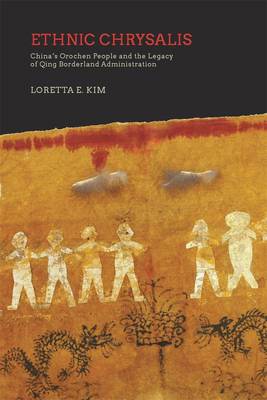
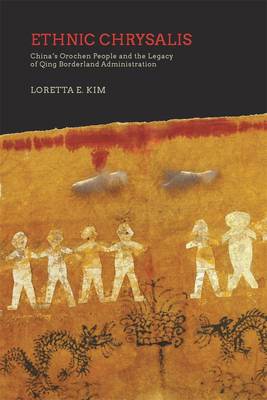
Ethnic Chrysalis
China's Orochen People and the Legacy of Qing Borderland Administration
Loretta E Kim
€ 94,95
+ 189 punten
Eenvoudig bestellen
Veilig betalen


Gratis thuislevering vanaf € 30 (via bpost)
Gratis levering in je Standaard Boekhandel
Omschrijving
Ethnic Chrysalis is the first book in English to cover the early modern history of the Orochen, an ethnic group that has for centuries inhabited areas now belonging to the Russian Federation and the People's Republic of China. The Qing dynasty (1644-1911) was a formative period for Orochen identity, and its actions preserved the Orochen as a separate ethnic group. While incorporating the Orochen into the imperial political domain through military conscription and compulsory resource extraction, the Qing government created two Orochen subgroups that experienced disparate levels of social and economic autonomy. The use of "Orochen" as an official modifier by Qing officials forms an early layer of the chrysalis that embodies various senses of ethnic identity for people who have been identified, or self‐identified, as Orochen. Since the Qing, the Orochen have continued to cherish the perception that their Qing‐period ancestors were key players in the defense and economy of northeast China. Tracing the evolution of Qing policies toward the Orochen along the Chinese‐Russian borderland, Loretta Kim examines how the impact of political organization in one era can endure in a group's social and cultural values.
Specificaties
Betrokkenen
- Auteur(s):
- Uitgeverij:
Inhoud
- Aantal bladzijden:
- 364
- Taal:
- Engels
- Reeks:
- Reeksnummer:
- nr. 119
Eigenschappen
- Productcode (EAN):
- 9780674237193
- Verschijningsdatum:
- 2/04/2019
- Uitvoering:
- Hardcover
- Formaat:
- Genaaid
- Afmetingen:
- 152 mm x 226 mm
- Gewicht:
- 635 g


Alleen bij Standaard Boekhandel
+ 189 punten op je klantenkaart van Standaard Boekhandel
CADEAU

AANGERADEN


Beoordelingen
We publiceren alleen reviews die voldoen aan de voorwaarden voor reviews. Bekijk onze voorwaarden voor reviews.