


- Afhalen na 1 uur in een winkel met voorraad
- Gratis thuislevering in België vanaf € 30
- Ruim aanbod met 7 miljoen producten
- Afhalen na 1 uur in een winkel met voorraad
- Gratis thuislevering in België vanaf € 30
- Ruim aanbod met 7 miljoen producten





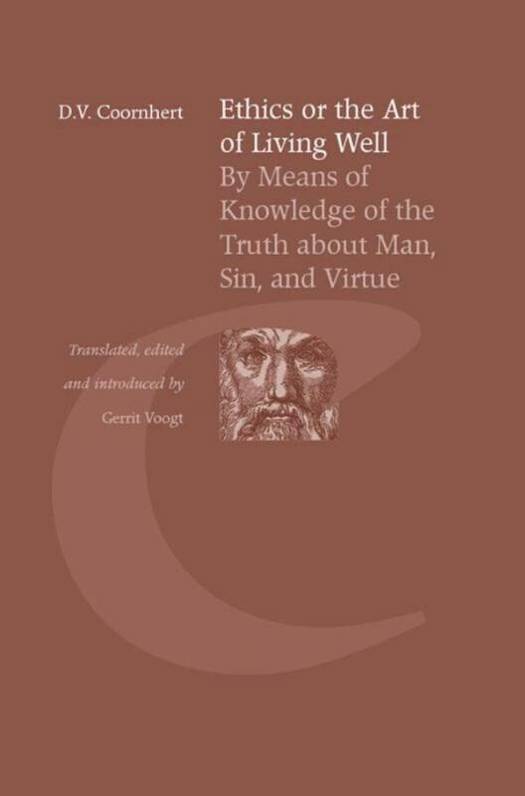
Ethics the art of living well
by means of knowledge of the truth about man, sin and virtue
D.V. Coornhert
€ 49,00
+ 98 punten
Omschrijving
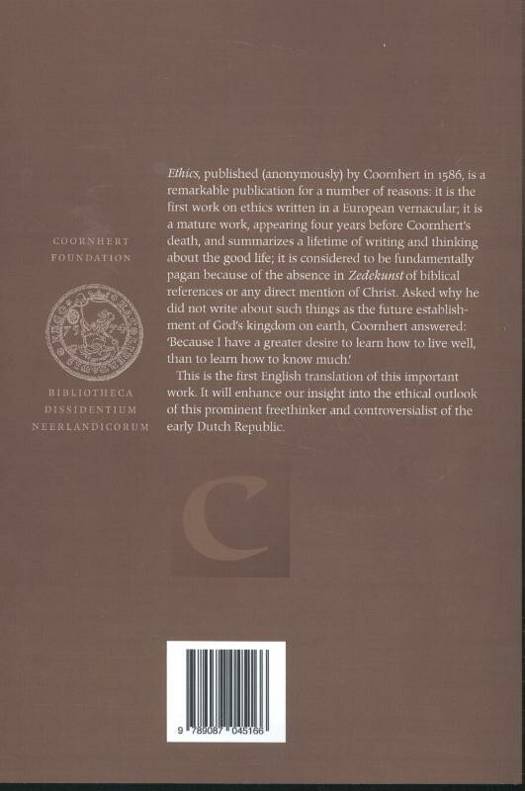
Ethics, published (anonymously) by Coornhert in 1586, is a remarkable publication for a number of reasons: it is the first work on ethics written in a European vernacular; it is a mature work, appearing four years before Coornhert's death, and summarizes a lifetime of writing and thinking about the good life; it is considered to be fundamentally pagan because of the absence in Zedekunst of biblical references or any direct mention of Christ. Asked why he did not write about such things as the future establishment of God's kingdom on earth, Coornhert answered: 'Because I have a greater desire to learn how to live well, than to learn how to know much.' This is the first English translation of this important work. It will enhance our insight into the ethical outlook of this prominent freethinker and controversialist of the early Dutch Republic.
Specificaties
Betrokkenen
- Auteur(s):
- Vertaler(s):
- Uitgeverij:
Inhoud
- Aantal bladzijden:
- 380
- Taal:
- Engels
- Reeks:
- Reeksnummer:
- nr. 17
Eigenschappen
- Productcode (EAN):
- 9789087045166
- Verschijningsdatum:
- 15/05/2015
- Uitvoering:
- Paperback
- Afmetingen:
- 155 mm x 235 mm
- Gewicht:
- 935 g


Alleen bij Standaard Boekhandel
+ 98 punten op je klantenkaart van Standaard Boekhandel
AANGERADEN


Beoordelingen
We publiceren alleen reviews die voldoen aan de voorwaarden voor reviews. Bekijk onze voorwaarden voor reviews.