


- Afhalen na 1 uur in een winkel met voorraad
- Gratis thuislevering in België vanaf € 30
- Ruim aanbod met 7 miljoen producten
- Afhalen na 1 uur in een winkel met voorraad
- Gratis thuislevering in België vanaf € 30
- Ruim aanbod met 7 miljoen producten





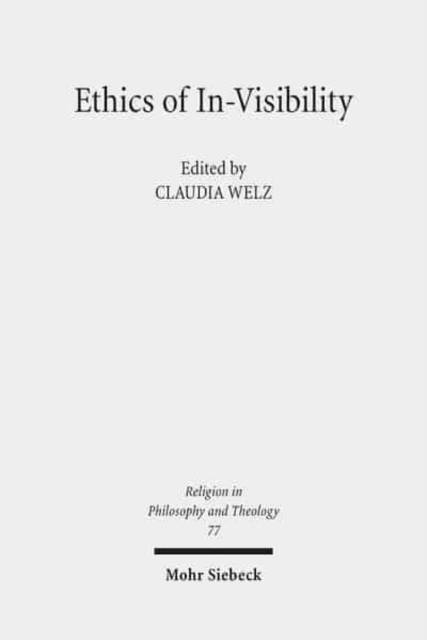
Ethics of In-Visibility
Imago Dei, Memory, and Human Dignity in Jewish and Christian Thought
€ 83,45
+ 166 punten
Omschrijving
The hyphenated phrase 'in-visibility' indicates that the visible and the invisible are inseparable and yet in tension with each other. If originating from acts of (in)visibilization, both the visible and the invisible are ethically imbued. Whether we see or overlook each other, respect or dismiss another's dignity, remember or forget a history of crimes against humanity, our (over)sight has an impact on our interaction. What, then, is implied in seeing the human being as created in the image of an invisible God, as imago Dei ? Which (re)sources in Judaism and Christianity can counter idolatry in the sense of cognitive captivity and experiences of abandonment after the Shoah? In addressing such questions, this book outlines an ethics of in-visibility in an interdisciplinary dialogue between philosophy and theology, cultural history, art and media theory, sociology, literary and gender studies. Contributors: Christina von Braun, Iben Damgaard, Daniel Dayan, Arne Gron, Hannes Langbein, Paul Mendes-Flohr, Melissa Raphael, N. Verbin, Alana M. Vincent, Claudia Welz, Christian Wiese, Elliot R. Wolfson
Specificaties
Betrokkenen
- Uitgeverij:
Inhoud
- Aantal bladzijden:
- 289
- Taal:
- Engels
- Reeks:
- Reeksnummer:
- nr. 77
Eigenschappen
- Productcode (EAN):
- 9783161538100
- Verschijningsdatum:
- 1/03/2015
- Uitvoering:
- Paperback
- Formaat:
- Trade paperback (VS)
- Afmetingen:
- 154 mm x 230 mm
- Gewicht:
- 766 g

Alleen bij Standaard Boekhandel
+ 166 punten op je klantenkaart van Standaard Boekhandel
Cadeau

AANGERADEN


Beoordelingen
We publiceren alleen reviews die voldoen aan de voorwaarden voor reviews. Bekijk onze voorwaarden voor reviews.