

- Afhalen na 1 uur in een winkel met voorraad
- Gratis thuislevering in België vanaf € 30
- Ruim aanbod met 7 miljoen producten
- Afhalen na 1 uur in een winkel met voorraad
- Gratis thuislevering in België vanaf € 30
- Ruim aanbod met 7 miljoen producten





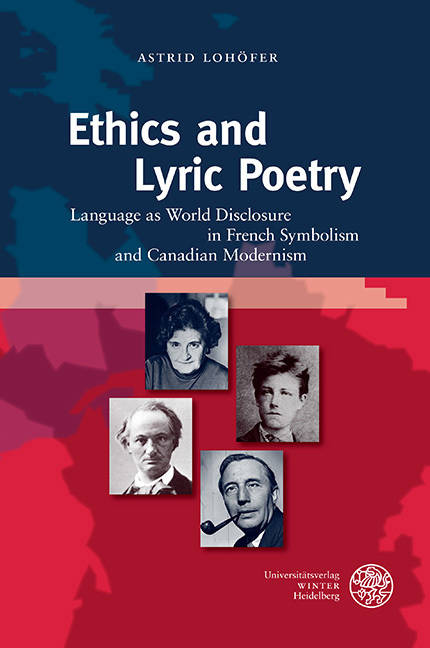
Ethics and Lyric Poetry
Language as World Disclosure in French Symbolism and Canadian Modernism
Astrid Lohofer
€ 111,45
+ 222 punten
Omschrijving
This book examines the relationship between ethics and modernist poetry, arguing that the ethical implications of these texts are inseparable from their creative use of language. Most studies in the field of ethical criticism either focus on the transmission of moral values in prose works, thus ignoring the genre of poetry, or re-define ethics as an aesthetic category, thereby bypassing the concrete ethical concerns of individual texts. This study proposes an alternative conception of poetic language, which considers the linguistic creativeness of literature as a means of ethical world-disclosure, i.e., as a dynamic tool of revealing aspects of the world that remain hidden in ordinary discourse. The readings of poems by Baudelaire, Rimbaud, Scott, and Livesay suggest that the world-disclosing function of poetic language is not only crucial to the understanding of modernist ethics, but also a way to bridge the gap between moralist and aestheticist approaches to literary interpretation.
Specificaties
Betrokkenen
- Auteur(s):
- Uitgeverij:
Inhoud
- Aantal bladzijden:
- 321
- Taal:
- Engels
- Reeks:
- Reeksnummer:
- nr. 30
Eigenschappen
- Productcode (EAN):
- 9783825363239
- Verschijningsdatum:
- 1/08/2014
- Uitvoering:
- Hardcover
- Formaat:
- Genaaid
- Afmetingen:
- 165 mm x 244 mm
- Gewicht:
- 566 g


Alleen bij Standaard Boekhandel
+ 222 punten op je klantenkaart van Standaard Boekhandel
CADEAU


Beoordelingen
We publiceren alleen reviews die voldoen aan de voorwaarden voor reviews. Bekijk onze voorwaarden voor reviews.