


- Afhalen na 1 uur in een winkel met voorraad
- Gratis thuislevering in België vanaf € 30
- Ruim aanbod met 7 miljoen producten
- Afhalen na 1 uur in een winkel met voorraad
- Gratis thuislevering in België vanaf € 30
- Ruim aanbod met 7 miljoen producten





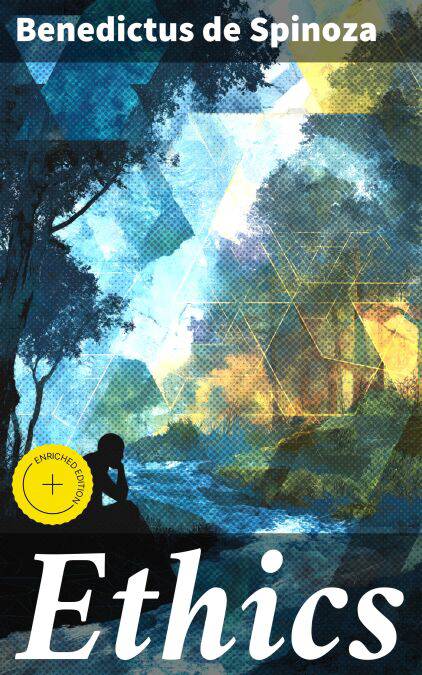
Ethics E-BOOK
Enriched edition. Exploring Reality, Existence, and Ethics Through Rationalism and Metaphysics
Benedictus de Spinoza
E-book | Engels
€ 0,49
€ 0,99
Uitvoering
Omschrijving
In "Ethics," Benedictus de Spinoza presents a revolutionary philosophical treatise that delves into the nature of reality, the self, and the divine. Employing a geometric method reminiscent of Euclidean principles, Spinoza meticulously constructs his argument to explore the relationship between substance, attributes, and modes, ultimately defining God as synonymous with Nature. This work stands as a cornerstone in the development of rationalist thought and offers profound insights into human emotions, ethics, and freedom, challenging the dogmas of his time and laying the groundwork for Enlightenment rationalism and modern philosophy. Benedictus de Spinoza, a 17th-century Dutch philosopher of Portuguese Jewish descent, was heavily influenced by the intellectual currents of his time, including Descartes and medieval Jewish philosophy. His background in the Talmudic tradition instilled in him a profound sense of inquiry and skepticism toward orthodoxy, leading him to question prevailing existential beliefs. Spinoza's excommunication from the Jewish community for his radical ideas only further compelled him to articulate a vision of ethics rooted in reason and naturalism. "Ethics" invites readers to engage deeply with its systematic approach to understanding existence and moral philosophy. For those interested in the intersections of ethics, metaphysics, and holistic understandings of God and nature, this text remains indispensable. Spinoza's insights encourage us to pursue a rational ethics of joy and resilience, making this book a vital read for anyone seeking wisdom in the complexities of life.
In this enriched edition, we have carefully created added value for your reading experience:
- A succinct Introduction situates the work's timeless appeal and themes.
- The Synopsis outlines the central plot, highlighting key developments without spoiling critical twists.
- A detailed Historical Context immerses you in the era's events and influences that shaped the writing.
- An Author Biography reveals milestones in the author's life, illuminating the personal insights behind the text.
- A thorough Analysis dissects symbols, motifs, and character arcs to unearth underlying meanings.
- Reflection questions prompt you to engage personally with the work's messages, connecting them to modern life.
- Hand‐picked Memorable Quotes shine a spotlight on moments of literary brilliance.
- Interactive footnotes clarify unusual references, historical allusions, and archaic phrases for an effortless, more informed read.
In this enriched edition, we have carefully created added value for your reading experience:
- A succinct Introduction situates the work's timeless appeal and themes.
- The Synopsis outlines the central plot, highlighting key developments without spoiling critical twists.
- A detailed Historical Context immerses you in the era's events and influences that shaped the writing.
- An Author Biography reveals milestones in the author's life, illuminating the personal insights behind the text.
- A thorough Analysis dissects symbols, motifs, and character arcs to unearth underlying meanings.
- Reflection questions prompt you to engage personally with the work's messages, connecting them to modern life.
- Hand‐picked Memorable Quotes shine a spotlight on moments of literary brilliance.
- Interactive footnotes clarify unusual references, historical allusions, and archaic phrases for an effortless, more informed read.
Specificaties
Betrokkenen
- Auteur(s):
- Vertaler(s):
- Uitgeverij:
Inhoud
- Aantal bladzijden:
- 208
- Taal:
- Engels
Eigenschappen
- Productcode (EAN):
- 4057664154118
- Verschijningsdatum:
- 18/11/2019
- Uitvoering:
- E-book
- Beveiligd met:
- Digital watermarking
- Formaat:
- ePub


Alleen bij Standaard Boekhandel
Cadeau

AANGERADEN


Beoordelingen
We publiceren alleen reviews die voldoen aan de voorwaarden voor reviews. Bekijk onze voorwaarden voor reviews.