


- Afhalen na 1 uur in een winkel met voorraad
- Gratis thuislevering in België vanaf € 30
- Ruim aanbod met 7 miljoen producten
- Afhalen na 1 uur in een winkel met voorraad
- Gratis thuislevering in België vanaf € 30
- Ruim aanbod met 7 miljoen producten





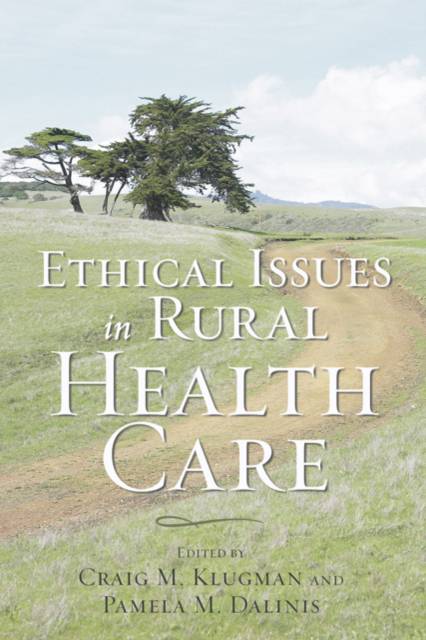
Ethical Issues in Rural Health Care
€ 57,95
+ 115 punten
Omschrijving
This volume initiates a much-needed conversation about the ethical and policy concerns facing health care providers in the rural United States. Although 21 percent of the population lives in rural areas, only 11 percent of physicians practice there. What challenges do health care workers face in remote locations? What are the differences between rural and urban health care practices? What particular ethical issues arise in treating residents of small communities? Craig M. Klugman and Pamela M. Dalinis gather philosophers, lawyers, physicians, nurses, and researchers to discuss these and other questions, offering a multidisciplinary overview of rural health care in the United States. Rural practitioners often practice within small, tight-knit communities, socializing with their patients outside the examination room. The residents are more likely to have limited finances and to lack health insurance. Physicians may have insufficient resources to treat their patients, who often have to travel great distances to see a doctor. The first part of the book analyzes the differences between rural and urban cultures and discusses the difficulties in treating patients in rural settings. The second part features the personal narratives of rural health care providers, who share their experiences and insights. The last part introduces unique ethical challenges facing rural health care providers and proposes innovative solutions to those problems.
Specificaties
Betrokkenen
- Uitgeverij:
Inhoud
- Aantal bladzijden:
- 240
- Taal:
- Engels
- Reeks:
Eigenschappen
- Productcode (EAN):
- 9781421409559
- Verschijningsdatum:
- 31/01/2013
- Uitvoering:
- Paperback
- Formaat:
- Trade paperback (VS)
- Afmetingen:
- 152 mm x 226 mm
- Gewicht:
- 362 g


Alleen bij Standaard Boekhandel
+ 115 punten op je klantenkaart van Standaard Boekhandel
Cadeau

AANGERADEN


Beoordelingen
We publiceren alleen reviews die voldoen aan de voorwaarden voor reviews. Bekijk onze voorwaarden voor reviews.