



Bedankt voor het vertrouwen het afgelopen jaar! Om jou te bedanken bieden we GRATIS verzending (in België) aan op alles gedurende de hele maand januari.
- Afhalen na 1 uur in een winkel met voorraad
- In januari gratis thuislevering in België
- Ruim aanbod met 7 miljoen producten
Bedankt voor het vertrouwen het afgelopen jaar! Om jou te bedanken bieden we GRATIS verzending (in België) aan op alles gedurende de hele maand januari.
- Afhalen na 1 uur in een winkel met voorraad
- In januari gratis thuislevering in België
- Ruim aanbod met 7 miljoen producten





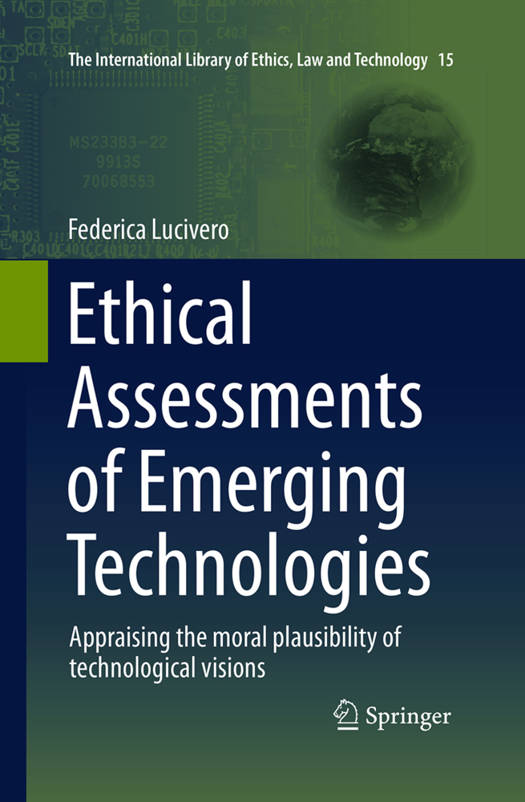
Ethical Assessments of Emerging Technologies
Appraising the moral plausibility of technological visions
Federica Lucivero
€ 72,45
+ 144 punten
Uitvoering
Omschrijving
This book systematically addresses the issue of assessing the normative nature of visions of emerging technologies in an epistemologically robust way. In the context of democratic governance of emerging technologies, not only it is important to reflect on technologies' moral significance, but also to address their emerging and future oriented character. The book proposes an original approach to deal with the issue of "plausible" ethical evaluation of new technologies. Taking its start from current debates about Technology Assessment, the proposed solution emerges as a combination of theoretical and methodological insights from the fields of Philosophy of Technology, Science and Technology Studies and a normative justification based on pragmatist ethics. The book's main contribution is to engage a diverse and interdisciplinary audience (ethicists, philosophers, social scientists, technology assessment researchers and practitioners) in a reflection concerning the epistemological challenges that are associated to the endeavour of appraising the moral significance of emerging technologies in the attempt of democratically governing them. It brings together concepts and methodologies from different disciplines and shows their synergy in applying them to two specific case studies of emerging biomedical technologies.
Specificaties
Betrokkenen
- Auteur(s):
- Uitgeverij:
Inhoud
- Aantal bladzijden:
- 202
- Taal:
- Engels
- Reeks:
- Reeksnummer:
- nr. 15
Eigenschappen
- Productcode (EAN):
- 9783319353296
- Verschijningsdatum:
- 23/08/2016
- Uitvoering:
- Paperback
- Afmetingen:
- 155 mm x 235 mm
- Gewicht:
- 349 g


Alleen bij Standaard Boekhandel
+ 144 punten op je klantenkaart van Standaard Boekhandel
SOLDEN


Beoordelingen
We publiceren alleen reviews die voldoen aan de voorwaarden voor reviews. Bekijk onze voorwaarden voor reviews.