


- Afhalen na 1 uur in een winkel met voorraad
- Gratis thuislevering in België vanaf € 30
- Ruim aanbod met 7 miljoen producten
- Afhalen na 1 uur in een winkel met voorraad
- Gratis thuislevering in België vanaf € 30
- Ruim aanbod met 7 miljoen producten





€ 264,45
+ 528 punten
Omschrijving
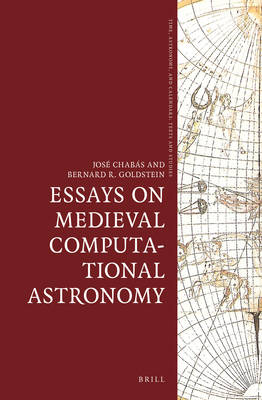
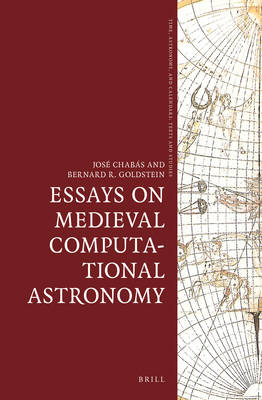
During the Middle Ages and early modern times tables were a most successful and economical way to present mathematical procedures and astronomical models and to facilitate computations. Before the sixteenth century astronomical models introduced by Ptolemy in Antiquity were rarely challenged, and innovation consisted in elaborating new methods for calculating planetary positions and other celestial phenomena. Essays on Medieval Computational Astronomy includes twelve articles that focus on astronomical tables, offering many examples where the meaning and purpose of such tables has been determined by careful analysis. In evaluating the work of medieval scholars we are mindful of the importance of applying criteria consistent with their own time, which may be different from those appropriate for other periods.
Specificaties
Betrokkenen
- Auteur(s):
- Uitgeverij:
Inhoud
- Aantal bladzijden:
- 424
- Taal:
- Engels
- Reeks:
- Reeksnummer:
- nr. 5
Eigenschappen
- Productcode (EAN):
- 9789004281745
- Verschijningsdatum:
- 1/11/2014
- Uitvoering:
- Hardcover
- Formaat:
- Genaaid
- Afmetingen:
- 163 mm x 241 mm
- Gewicht:
- 771 g


Alleen bij Standaard Boekhandel
+ 528 punten op je klantenkaart van Standaard Boekhandel
CADEAU


Beoordelingen
We publiceren alleen reviews die voldoen aan de voorwaarden voor reviews. Bekijk onze voorwaarden voor reviews.