


- Afhalen na 1 uur in een winkel met voorraad
- Gratis thuislevering in België vanaf € 30
- Ruim aanbod met 7 miljoen producten
- Afhalen na 1 uur in een winkel met voorraad
- Gratis thuislevering in België vanaf € 30
- Ruim aanbod met 7 miljoen producten

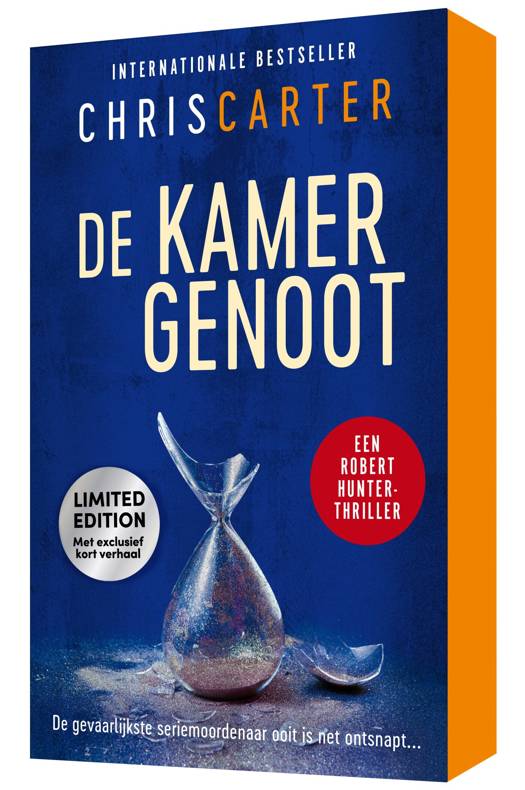



Esoteric Lacan
€ 296,95
+ 593 punten
Omschrijving
Jacques Lacan was fascinated with forms of the "religious" throughout his life, from monotheism, which shaped his account of the signifier, to modern occultism, as he was well acquainted with the writings of figures such as Oskar Goldberg and René Guénon. Lacan also repeatedly turned to non-European religiosities to test the limits of psychoanalytic theory. In his yearly seminars he engaged with traditions such as Kabbalah and Taoism, going beyond the Western Christian, capitalist and postcolonial setting of the French university to search for a possible outside to psychoanalysis. But such a quest ultimately recapitulates Lacan's constant awareness of the desire for a new master, and the still open question regarding the names and meanings that this desire may yield. This anthology of eleven essays, which travel from gnosticism to sufism, from afro-pessimism to post-68 ex-Maoist apocalypticism, investigates these unresolved threads that Lacan left behind. Beneath the exoteric psychoanalytic apparatus of Lacan's thought, there is an esoteric Lacan who remains unexplored.
Specificaties
Betrokkenen
- Uitgeverij:
Inhoud
- Aantal bladzijden:
- 242
- Taal:
- Engels
- Reeks:
Eigenschappen
- Productcode (EAN):
- 9781786609700
- Verschijningsdatum:
- 18/10/2019
- Uitvoering:
- Hardcover
- Formaat:
- Genaaid
- Afmetingen:
- 152 mm x 229 mm
- Gewicht:
- 544 g

Alleen bij Standaard Boekhandel
+ 593 punten op je klantenkaart van Standaard Boekhandel
Cadeau

AANGERADEN


Beoordelingen
We publiceren alleen reviews die voldoen aan de voorwaarden voor reviews. Bekijk onze voorwaarden voor reviews.