


- Afhalen na 1 uur in een winkel met voorraad
- Gratis thuislevering in België vanaf € 30
- Ruim aanbod met 7 miljoen producten
- Afhalen na 1 uur in een winkel met voorraad
- Gratis thuislevering in België vanaf € 30
- Ruim aanbod met 7 miljoen producten





€ 82,68
+ 165 punten
Omschrijving
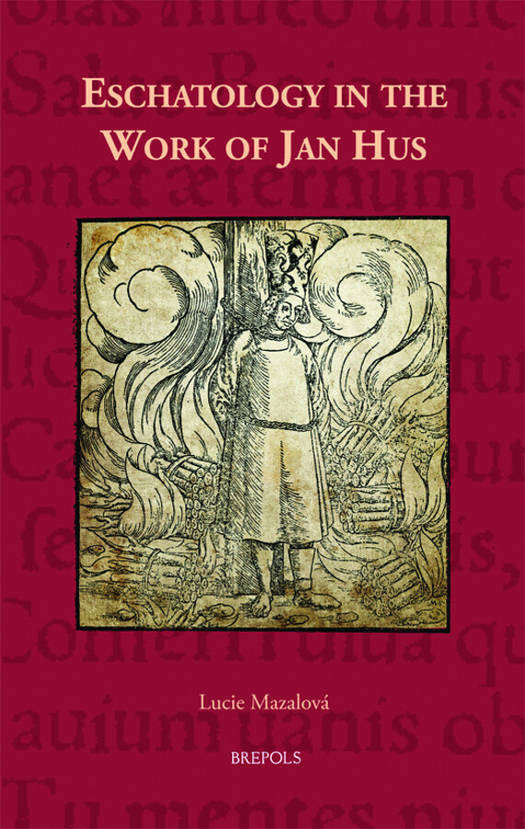
This study provides a systematic and comprehensive overview of Hus's ideas on the last things as they are presented in both his work and life. It examines the content and language of his works, particularly his Latin sermons and correspondence, from a literary-historical perspective. It explores general eschatology (Antichrist, purgatory, heaven and hell), as well as its intertwining with the Last Things that Jan Hus experienced personally in his struggle against Antichrist. Thus, the reader will learn not only about Hus's official ideas, but also about his intimate thoughts contained in correspondence written during his exile and even as he was in prison awaiting death. The book also presents Hus's eschatology in the broader context of Church reform. It clarifies how Hus's eschatology developed from its beginnings up to his death, and takes into account the writings of other thinkers whose ideas are connected to Hus's eschatology, such as John Wycliffe, Mili? of Krom i, Mat?j of Janov, and Nicholas of Dresden. The book also features an introductory prolegomena on Hus's life and work and early reform eschatology, which describes not only relevant Czech influences on Hus's eschatology (e.g. university theology, social-political factors, the Czech preaching tradition), but also European influences (e.g. Peter Lombard, heterodox doctrines).
Specificaties
Betrokkenen
- Auteur(s):
- Uitgeverij:
Inhoud
- Aantal bladzijden:
- 254
- Taal:
- Engels
- Reeks:
- Reeksnummer:
- nr. 27
Eigenschappen
- Productcode (EAN):
- 9782503593050
- Verschijningsdatum:
- 24/03/2022
- Uitvoering:
- Hardcover
- Formaat:
- Genaaid
- Gewicht:
- 4209 g


Alleen bij Standaard Boekhandel
+ 165 punten op je klantenkaart van Standaard Boekhandel
Cadeau

AANGERADEN


Beoordelingen
We publiceren alleen reviews die voldoen aan de voorwaarden voor reviews. Bekijk onze voorwaarden voor reviews.