


- Afhalen na 1 uur in een winkel met voorraad
- Gratis thuislevering in België vanaf € 30
- Ruim aanbod met 7 miljoen producten
- Afhalen na 1 uur in een winkel met voorraad
- Gratis thuislevering in België vanaf € 30
- Ruim aanbod met 7 miljoen producten





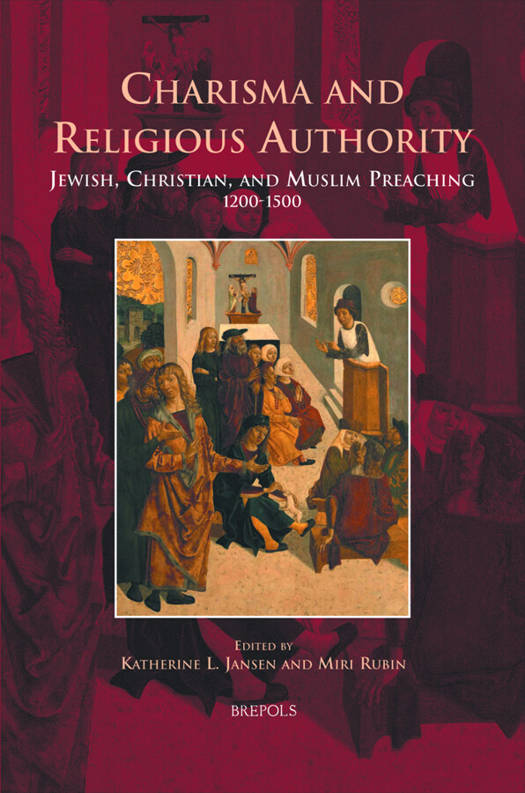
Es 04 Charisma and Religious Authority, Jansen
Jewish, Christian, and Muslim Preaching, 1200-1500
Katherine L. Jansen
€ 63,60
+ 127 punten
Omschrijving
This volume of essays concentrates on the effects of preaching in late medieval and early modern Europe, particularly through the concept of charisma, a term introduced into the discussion of religion and politics by Max Weber. Used by Weber, the term indicates the power of a person to move others to action, to animate and mobilize them. The late medieval and early modern periods witnessed the emergence of preachers who became powerful public figures central to the mobilization of populations towards religious reform or crusades. Such preachers were also enmeshed in civic life and the life of courts. Super-preachers like Bernardino of Siena and John of Capistrano shaped opinion on a wide range of issues: the ethics of business, marriage and gender relations, attitudes towards minorities, the poor and social responsibility, as well as the role of kings and other rulers in society. Preaching events were the mass media of the day, and in their wake could follow pogrom, lay revival, crusade, peace movement, or reconciliation within a faction-riven city. The power of these events was great and not merely confined to the Christian community. This volume introduces for the first time a comparative dimension which looks at the theme of charisma and religious authority in the Jewish, Christian, and Muslim preaching traditions.
Specificaties
Betrokkenen
- Auteur(s):
- Uitgeverij:
Inhoud
- Aantal bladzijden:
- 271
- Taal:
- Engels
- Reeks:
- Reeksnummer:
- nr. 4
Eigenschappen
- Productcode (EAN):
- 9782503528595
- Verschijningsdatum:
- 17/06/2010
- Uitvoering:
- Hardcover
- Formaat:
- Genaaid
- Afmetingen:
- 163 mm x 239 mm
- Gewicht:
- 612 g


Alleen bij Standaard Boekhandel
+ 127 punten op je klantenkaart van Standaard Boekhandel
Cadeau

AANGERADEN


Beoordelingen
We publiceren alleen reviews die voldoen aan de voorwaarden voor reviews. Bekijk onze voorwaarden voor reviews.