


- Afhalen na 1 uur in een winkel met voorraad
- Gratis thuislevering in België vanaf € 30
- Ruim aanbod met 7 miljoen producten
- Afhalen na 1 uur in een winkel met voorraad
- Gratis thuislevering in België vanaf € 30
- Ruim aanbod met 7 miljoen producten





€ 52,43
+ 104 punten
Omschrijving
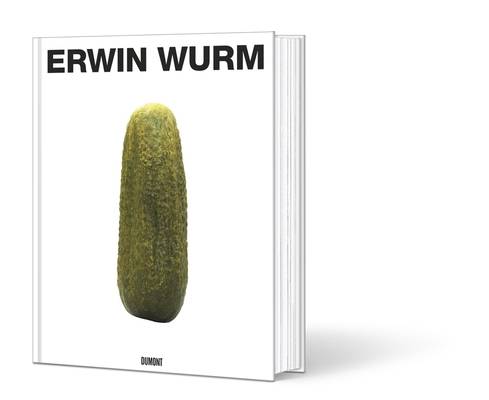
Austrian artist Erwin Wurm has continually found inventive and witty answers to the question "what is sculpture?" Over the course of 25 years, Wurm has built up a multifaceted oeuvre that might be described as a research enterprise into the medium's expanded possibilities--but which is a lot more pointedly witty than such a description suggests. He became known to a wider audience in the late 1980s, through his absurdist one-minute sculptures, in which the artist or other performers (often volunteers solicited through newspaper ads) acted out strange feats in unusual settings--diving headlong into a crate, legs flailing, doing push-ups balancing on four teacups, or simply standing with asparagus stuffed in each nostril. Wurm has also garnered acclaim for his fascinatingly grotesque "fat sculptures" of overweight houses and bulging cars. Wurm's humor is akin to Roman Signer or Fischli and Weiss in its swiftness of impact and its almost childlike simplicity. Now among the most popular artists on the international art circuit, Wurm can transform all manner of objects and occasions into sculpture: physical actions, written or drawn instructions, even thoughts. With essays and plentiful reproductions, this hefty volume makes a definitive statement on Wurm's transformations of contemporary sculpture.
Specificaties
Betrokkenen
- Auteur(s):
- Uitgeverij:
Inhoud
- Aantal bladzijden:
- 336
- Taal:
- Engels
Eigenschappen
- Productcode (EAN):
- 9783832192594
- Verschijningsdatum:
- 28/02/2010
- Uitvoering:
- Hardcover
- Formaat:
- Genaaid
- Afmetingen:
- 241 mm x 320 mm
- Gewicht:
- 2472 g


Alleen bij Standaard Boekhandel
+ 104 punten op je klantenkaart van Standaard Boekhandel
Cadeau

AANGERADEN


Beoordelingen
We publiceren alleen reviews die voldoen aan de voorwaarden voor reviews. Bekijk onze voorwaarden voor reviews.