


- Afhalen na 1 uur in een winkel met voorraad
- Gratis thuislevering in België vanaf € 30
- Ruim aanbod met 7 miljoen producten
- Afhalen na 1 uur in een winkel met voorraad
- Gratis thuislevering in België vanaf € 30
- Ruim aanbod met 7 miljoen producten





€ 59,95
+ 119 punten
Omschrijving
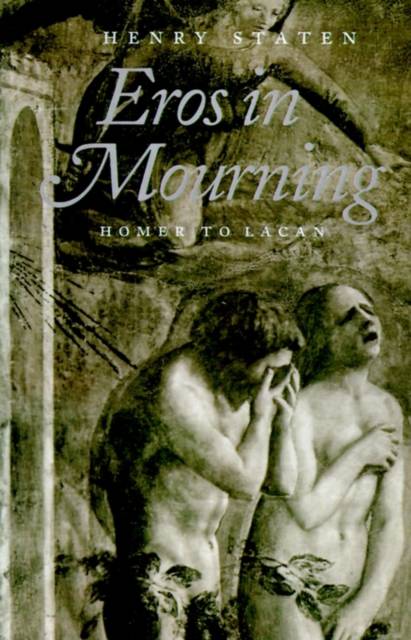
Eros in Mourning begins with a reading of the Iliad that shows how Homer, not yet influenced by the ideology of transcendence, analyzes the structure of unassuageable mourning in a way that is as up-to-date as the latest poststructuralism. Then, in readings of Dante, Hamlet, La Princess de Cleves, Heart of Darkness, and Lacan, Staten depicts the "thanatoerotic" hysteria that is set off by the specter of the dead and decomposing body that is also the body of sexual love and whic, in the "transcendentalizing" tradition, is more female than male. Yet, St. John, certain troubadours, and Milton offer glimpses of a more affirmative relation to "eros and mourning."
Specificaties
Betrokkenen
- Auteur(s):
- Uitgeverij:
Inhoud
- Aantal bladzijden:
- 248
- Taal:
- Engels
Eigenschappen
- Productcode (EAN):
- 9780801869990
- Verschijningsdatum:
- 1/12/1995
- Uitvoering:
- Paperback
- Formaat:
- Trade paperback (VS)
- Afmetingen:
- 155 mm x 231 mm
- Gewicht:
- 417 g


Alleen bij Standaard Boekhandel
+ 119 punten op je klantenkaart van Standaard Boekhandel
Cadeau

AANGERADEN


Beoordelingen
We publiceren alleen reviews die voldoen aan de voorwaarden voor reviews. Bekijk onze voorwaarden voor reviews.