


- Afhalen na 1 uur in een winkel met voorraad
- Gratis thuislevering in België vanaf € 30
- Ruim aanbod met 7 miljoen producten
- Afhalen na 1 uur in een winkel met voorraad
- Gratis thuislevering in België vanaf € 30
- Ruim aanbod met 7 miljoen producten





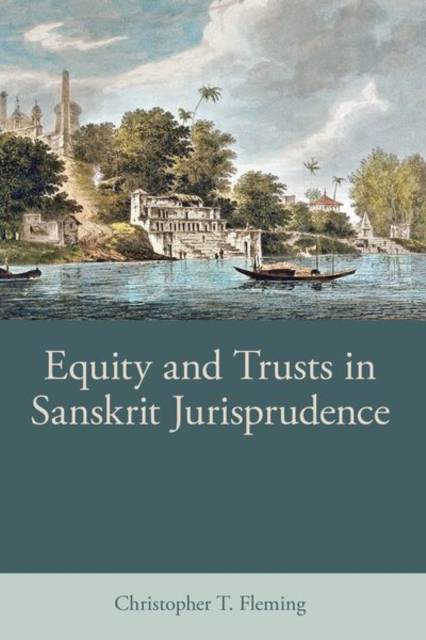
Equity and Trusts in Sanskrit Jurisprudence
Christopher T Fleming
€ 313,95
+ 627 punten
Omschrijving
This monograph outlines the core principles of Equity and Trusts in Sanskrit jurisprudence (Dharmaśāstra) and traces their application in the practical legal administration of religious and charitable endowments throughout Indian history. Dharmaśāstra describes phenomena that, in Anglo-American jurisprudence, are associated with courts of equity: the management of religious and charitable trusts; and the guardianship of those who lack legal capacity. Drawing on Sanskrit jurisprudential and philosophical texts, ancient inscriptions, Persian legal documents, colonial-era law reports, and contemporary case law, Equity and Trusts in Sanskrit Jurispudence demonstrates that India's rulers have drawn on rich and venerable Sanskrit jurisprudential principles of equity and trusts in their efforts to regulate religious and charitable endowments. This book presents the history of India as a history of trusts, revealing how the contemporary law of Hindu religious endowments is subtended by a rich mélange of Sanskritic, Persianate, British, and constitutional jurisprudential principles.
Specificaties
Betrokkenen
- Auteur(s):
- Uitgeverij:
Inhoud
- Aantal bladzijden:
- 526
- Taal:
- Engels
- Reeks:
Eigenschappen
- Productcode (EAN):
- 9780197267875
- Verschijningsdatum:
- 27/06/2025
- Uitvoering:
- Hardcover
- Formaat:
- Genaaid
- Afmetingen:
- 163 mm x 237 mm
- Gewicht:
- 920 g



Alleen bij Standaard Boekhandel
+ 627 punten op je klantenkaart van Standaard Boekhandel
Cadeau

AANGERADEN


Beoordelingen
We publiceren alleen reviews die voldoen aan de voorwaarden voor reviews. Bekijk onze voorwaarden voor reviews.