



- Afhalen na 1 uur in een winkel met voorraad
- In januari gratis thuislevering in België
- Ruim aanbod met 7 miljoen producten
- Afhalen na 1 uur in een winkel met voorraad
- In januari gratis thuislevering in België
- Ruim aanbod met 7 miljoen producten





€ 41,95
+ 83 punten
Omschrijving
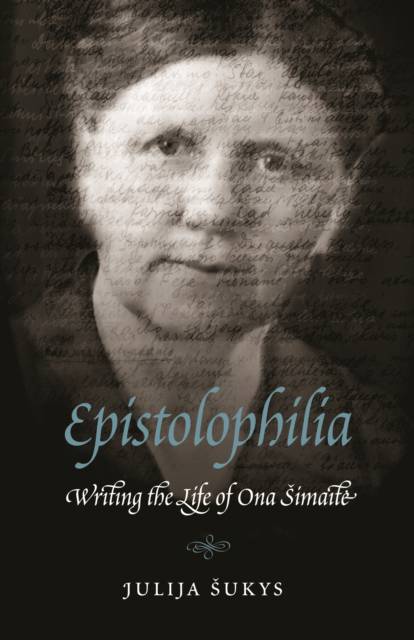
The librarian walks the streets of her beloved Paris. An old lady with a limp and an accent, she is invisible to most. Certainly no one recognizes her as the warrior and revolutionary she was, when again and again she slipped into the Jewish ghetto of German-occupied Vilnius to carry food, clothes, medicine, money, and counterfeit documents to its prisoners. Often she left with letters to deliver, manuscripts to hide, and even sedated children swathed in sacks. In 1944 she was captured by the Gestapo, tortured for twelve days, and deported to Dachau.
Through Epistolophilia, Julija Sukys follows the letters and journals--the "life-writing"--of this woman, Ona Simaite (1894-1970). A treasurer of words, Simaite carefully collected, preserved, and archived the written record of her life, including thousands of letters, scores of diaries, articles, and press clippings. Journeying through these words, Sukys negotiates with the ghost of Simaite, beckoning back to life this quiet and worldly heroine--a giant of Holocaust history (one of Yad Vashem's honored "Righteous Among the Nations") and yet so little known. The result is at once a mediated self-portrait and a measured perspective on a remarkable life. It reveals the meaning of life-writing, how women write their lives publicly and privately, and how their words attach them--and us--to life.
Through Epistolophilia, Julija Sukys follows the letters and journals--the "life-writing"--of this woman, Ona Simaite (1894-1970). A treasurer of words, Simaite carefully collected, preserved, and archived the written record of her life, including thousands of letters, scores of diaries, articles, and press clippings. Journeying through these words, Sukys negotiates with the ghost of Simaite, beckoning back to life this quiet and worldly heroine--a giant of Holocaust history (one of Yad Vashem's honored "Righteous Among the Nations") and yet so little known. The result is at once a mediated self-portrait and a measured perspective on a remarkable life. It reveals the meaning of life-writing, how women write their lives publicly and privately, and how their words attach them--and us--to life.
Specificaties
Betrokkenen
- Auteur(s):
- Uitgeverij:
Inhoud
- Aantal bladzijden:
- 240
- Taal:
- Engels
Eigenschappen
- Productcode (EAN):
- 9780803236325
- Verschijningsdatum:
- 1/03/2012
- Uitvoering:
- Hardcover
- Formaat:
- Genaaid
- Afmetingen:
- 150 mm x 218 mm
- Gewicht:
- 430 g


Alleen bij Standaard Boekhandel
+ 83 punten op je klantenkaart van Standaard Boekhandel
Cadeau

AANGERADEN


Beoordelingen
We publiceren alleen reviews die voldoen aan de voorwaarden voor reviews. Bekijk onze voorwaarden voor reviews.