


- Afhalen na 1 uur in een winkel met voorraad
- Gratis thuislevering in België vanaf € 30
- Ruim aanbod met 7 miljoen producten
- Afhalen na 1 uur in een winkel met voorraad
- Gratis thuislevering in België vanaf € 30
- Ruim aanbod met 7 miljoen producten





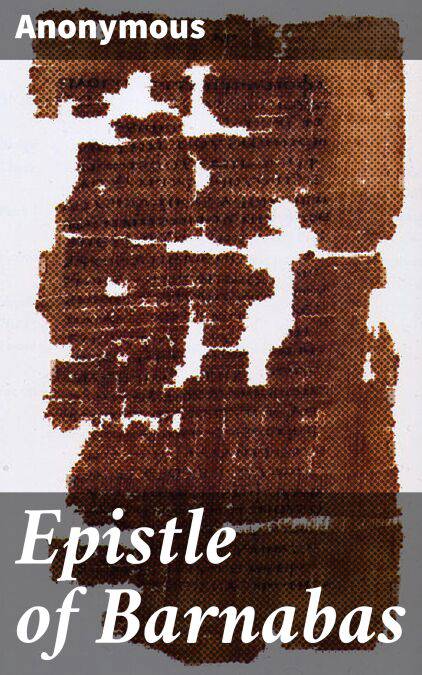
Epistle of Barnabas E-BOOK
Exploring Early Christian Beliefs and Practices in the Epistle of Barnabas
E-book | Engels
€ 1,99
+ 1 punten
Eenvoudig bestellen
Veilig betalen


Onmiddellijk geleverd via e-mail
Omschrijving
The "Epistle of Barnabas" is a profound early Christian text that intricately weaves theological reflection with moral exhortation. Written in the 1st or 2nd century, this work employs a distinctive epistolary style that fuses interpretive exegesis with ethical teachings. The author, possibly a figure close to the Apostolic community, strategically engages with Jewish tradition to delineate the nascent Christian identity, emphasizing the spiritual rather than literal interpretation of scriptures. The text is recognized for its vibrant allegorical imagery and critical stance towards Judaic customs, reflecting the early church'Äôs struggle to establish a distinct faith amid its Jewish roots. Though the author remains anonymous, the intellectual context of the time'Äîmarked by the consolidation of Christian beliefs and fierce debates over Jewish law'Äîprovides insight into the motivations behind the writing. This epistle, often cited in discussions of the development of Christian doctrine, likely aimed at clarifying the relationship between old and new covenants while shaping the ethical contours of early Christian communities. Readers of the "Epistle of Barnabas" will find a rich tapestry of thought that not only challenges the boundaries of faith but also invites introspection on the nature of spirituality. It is an essential read for anyone interested in the origins of Christian theology and the early church'Äôs formative struggles.
Specificaties
Betrokkenen
- Vertaler(s):
- Uitgeverij:
Inhoud
- Aantal bladzijden:
- 23
- Taal:
- Engels
Eigenschappen
- Productcode (EAN):
- 4064066463885
- Verschijningsdatum:
- 9/04/2021
- Uitvoering:
- E-book
- Beveiligd met:
- Digital watermarking
- Formaat:
- ePub

Alleen bij Standaard Boekhandel
+ 1 punten op je klantenkaart van Standaard Boekhandel
CADEAU

AANGERADEN


Beoordelingen
We publiceren alleen reviews die voldoen aan de voorwaarden voor reviews. Bekijk onze voorwaarden voor reviews.