


- Afhalen na 1 uur in een winkel met voorraad
- Gratis thuislevering in België vanaf € 30
- Ruim aanbod met 7 miljoen producten
- Afhalen na 1 uur in een winkel met voorraad
- Gratis thuislevering in België vanaf € 30
- Ruim aanbod met 7 miljoen producten





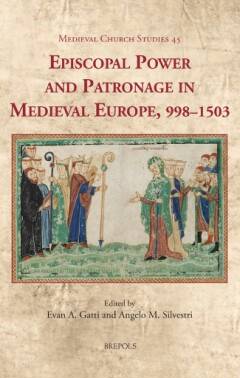
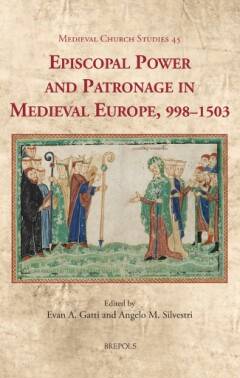
Episcopal Power and Patronage in Medieval Europe, 998-1503
Gatti Evan
€ 127,20
+ 254 punten
Omschrijving
The essays in this volume derive from the third and fourth installations of a conference dedicated to examining the 'Power of the Bishop' in the Middle Ages: 'Bishops as Diplomats' and 'The Bishop as Patron'. Taken as a collection, the volume encourages us to seek the power of the bishop in his role as a fulcrum. The essays demonstrate how the medieval bishop was asked, and sometimes used, to balance institutional and individual forces as well as being a person around whom a community revolved. In each of the examples offered here, the acts and the duties of the bishops must be balanced against the needs and the expectations of their communities. This volume also takes into consideration how the community perceived and reacted to the patronage of the bishop, as he was understood to be an arbiter of power, favour, and influence. As patrons, clients, diplomats, allies, and adversaries, bishops were required to act or be acted upon in ways that aligned with, defined, or even defied historical, social, and personal expectations of the office.
Specificaties
Betrokkenen
- Auteur(s):
- Uitgeverij:
Inhoud
- Aantal bladzijden:
- 380
- Taal:
- Engels
- Reeks:
- Reeksnummer:
- nr. 45
Eigenschappen
- Productcode (EAN):
- 9782503617312
- Verschijningsdatum:
- 5/03/2026
- Uitvoering:
- Hardcover
- Formaat:
- Genaaid
- Afmetingen:
- 156 mm x 234 mm
- Gewicht:
- 984 g


Alleen bij Standaard Boekhandel
+ 254 punten op je klantenkaart van Standaard Boekhandel
Cadeau

AANGERADEN


Beoordelingen
We publiceren alleen reviews die voldoen aan de voorwaarden voor reviews. Bekijk onze voorwaarden voor reviews.