


- Afhalen na 1 uur in een winkel met voorraad
- Gratis thuislevering in België vanaf € 30
- Ruim aanbod met 7 miljoen producten
- Afhalen na 1 uur in een winkel met voorraad
- Gratis thuislevering in België vanaf € 30
- Ruim aanbod met 7 miljoen producten





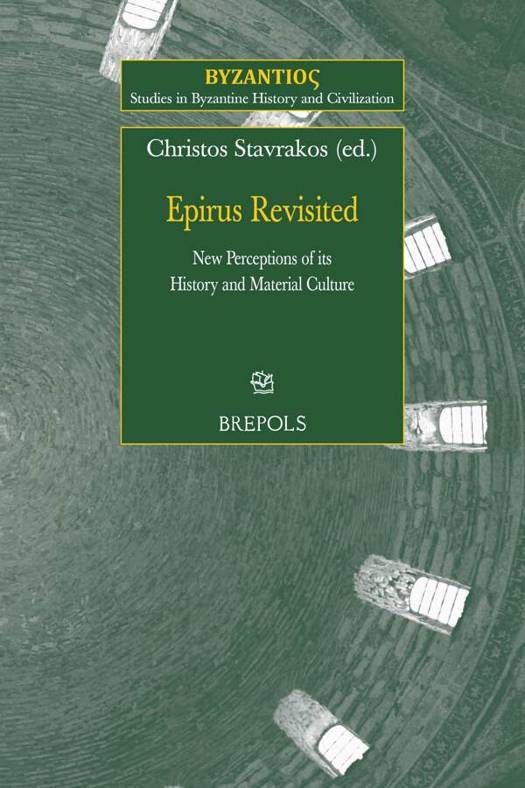
Epirus Revisited. New Perceptions of Its History and Material Culture
From the Thematic Session 'Epirus Revisited' of the 23rd International Congress of Byzantine Studies, Belgrade, 22-27 August 2016
Christos Stavrakos
€ 74,20
+ 148 punten
Omschrijving
A presentation of the new results in the research about Epirus The opening of the borders of Albania in the 1990s stimulated an increased interest in its cultural heritage and led to extensive research, as well as archaeological investigations. These, however, have mainly concentrated within Albania's present-day borders and have lacked broader contextualization. Very recent excavations in Greece, which resulted from the construction of the new Ionia Odos highway, have, however brought to light unexpected and interesting material that changes our image of the monumental topography and the settlements in Epirus. New studies concerning Epirus and its broader connections during the early and later Ottoman periods provide a broader impression of the region and its relationships with the large economic centres of the West, as well as with the spiritual-religious and political centres of the Balkans.
Specificaties
Betrokkenen
- Auteur(s):
- Uitgeverij:
Inhoud
- Aantal bladzijden:
- 246
- Taal:
- Engels
- Reeks:
- Reeksnummer:
- nr. 16
Eigenschappen
- Productcode (EAN):
- 9782503592619
- Verschijningsdatum:
- 15/11/2020
- Uitvoering:
- Paperback
- Formaat:
- Trade paperback (VS)
- Gewicht:
- 208 g


Alleen bij Standaard Boekhandel
+ 148 punten op je klantenkaart van Standaard Boekhandel
Cadeau

AANGERADEN


Beoordelingen
We publiceren alleen reviews die voldoen aan de voorwaarden voor reviews. Bekijk onze voorwaarden voor reviews.