


- Afhalen na 1 uur in een winkel met voorraad
- Gratis thuislevering in België vanaf € 30
- Ruim aanbod met 7 miljoen producten
- Afhalen na 1 uur in een winkel met voorraad
- Gratis thuislevering in België vanaf € 30
- Ruim aanbod met 7 miljoen producten





€ 59,14
+ 59 punten
Uitvoering
Omschrijving
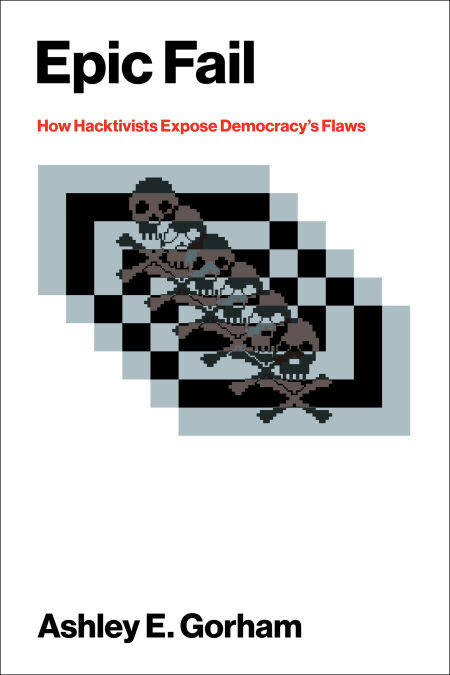
A provocative and clear-eyed exploration of hacktivism as a democratic practice.
In 1998, the early hacktivist group Electronic Disturbance Theater (EDT) burst onto the world stage with their “virtual sit-in” in support of the Zapatistas’ struggle against neoliberalism in Mexico, but by the time WikiLeaks and Anonymous made their own headlines in the 2010s, they were all but forgotten by the public. As all three groups begin to recede into the past, we are left with the question of the efficacy of hacktivism.
In Epic Fail, Ashley Gorham uses democratic theory to unpack this question by examining these three especially prominent hacktivist groups. While each is shown to have its own “bug” or “fail,” failure itself is rehabilitated as an inevitable component of all democratic action, which serves as both warning and inspiration for future democratic theorists and actors alike.
The book enriches our understanding not only of hacktivism but also of democratic theory as the groups’ bugs highlight problems within the individual theories discussed—epistemic and radical democracy.
In 1998, the early hacktivist group Electronic Disturbance Theater (EDT) burst onto the world stage with their “virtual sit-in” in support of the Zapatistas’ struggle against neoliberalism in Mexico, but by the time WikiLeaks and Anonymous made their own headlines in the 2010s, they were all but forgotten by the public. As all three groups begin to recede into the past, we are left with the question of the efficacy of hacktivism.
In Epic Fail, Ashley Gorham uses democratic theory to unpack this question by examining these three especially prominent hacktivist groups. While each is shown to have its own “bug” or “fail,” failure itself is rehabilitated as an inevitable component of all democratic action, which serves as both warning and inspiration for future democratic theorists and actors alike.
The book enriches our understanding not only of hacktivism but also of democratic theory as the groups’ bugs highlight problems within the individual theories discussed—epistemic and radical democracy.
Specificaties
Betrokkenen
- Auteur(s):
- Uitgeverij:
Inhoud
- Aantal bladzijden:
- 238
- Taal:
- Engels
- Reeks:
Eigenschappen
- Productcode (EAN):
- 9780262056434
- Verschijningsdatum:
- 9/11/2026
- Uitvoering:
- E-book
- Beveiligd met:
- Adobe DRM
- Formaat:
- ePub



Alleen bij Standaard Boekhandel
+ 59 punten op je klantenkaart van Standaard Boekhandel
Cadeau

AANGERADEN


Beoordelingen
We publiceren alleen reviews die voldoen aan de voorwaarden voor reviews. Bekijk onze voorwaarden voor reviews.