


- Afhalen na 1 uur in een winkel met voorraad
- Gratis thuislevering in België vanaf € 30
- Ruim aanbod met 7 miljoen producten
- Afhalen na 1 uur in een winkel met voorraad
- Gratis thuislevering in België vanaf € 30
- Ruim aanbod met 7 miljoen producten





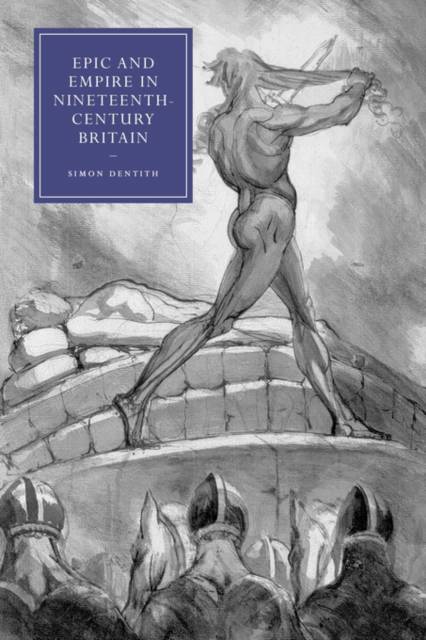
Epic and Empire in Nineteenth-Century Britain
Simon Dentith
€ 76,45
+ 152 punten
Uitvoering
Eenvoudig bestellen
Veilig betalen


Gratis thuislevering vanaf € 30 (via bpost)
Gratis levering in je Standaard Boekhandel
Omschrijving
In the nineteenth century, epic poetry in the Homeric style was widely seen as an ancient and anachronistic genre, yet Victorian authors worked to recreate it for the modern world. Simon Dentith explores the relationship between epic and the evolution of Britain's national identity in the nineteenth century up to the apparent demise of all notions of heroic warfare in the catastrophe of the First World War. Paradoxically, writers found equivalents of the societies which produced Homeric or Northern epics not in Europe, but on the margins of empire and among its subject peoples. Dentith considers the implications of the status of epic for a range of nineteenth-century writers, including Walter Scott, Matthew Arnold, Elizabeth Barrett Browning, William Morris and Rudyard Kipling. He also considers the relationship between epic poetry and the novel and discusses late nineteenth-century adventure novels, concluding with a brief survey of epic in the twentieth century.
Specificaties
Betrokkenen
- Auteur(s):
- Uitgeverij:
Inhoud
- Aantal bladzijden:
- 260
- Taal:
- Engels
- Reeks:
- Reeksnummer:
- nr. 52
Eigenschappen
- Productcode (EAN):
- 9780521123570
- Verschijningsdatum:
- 19/11/2009
- Uitvoering:
- Paperback
- Formaat:
- Trade paperback (VS)
- Afmetingen:
- 152 mm x 229 mm
- Gewicht:
- 385 g


Alleen bij Standaard Boekhandel
+ 152 punten op je klantenkaart van Standaard Boekhandel
CADEAU

AANGERADEN


Beoordelingen
We publiceren alleen reviews die voldoen aan de voorwaarden voor reviews. Bekijk onze voorwaarden voor reviews.