


- Afhalen na 1 uur in een winkel met voorraad
- Gratis thuislevering in België vanaf € 30
- Ruim aanbod met 7 miljoen producten
- Afhalen na 1 uur in een winkel met voorraad
- Gratis thuislevering in België vanaf € 30
- Ruim aanbod met 7 miljoen producten





€ 137,80
+ 275 punten
Omschrijving
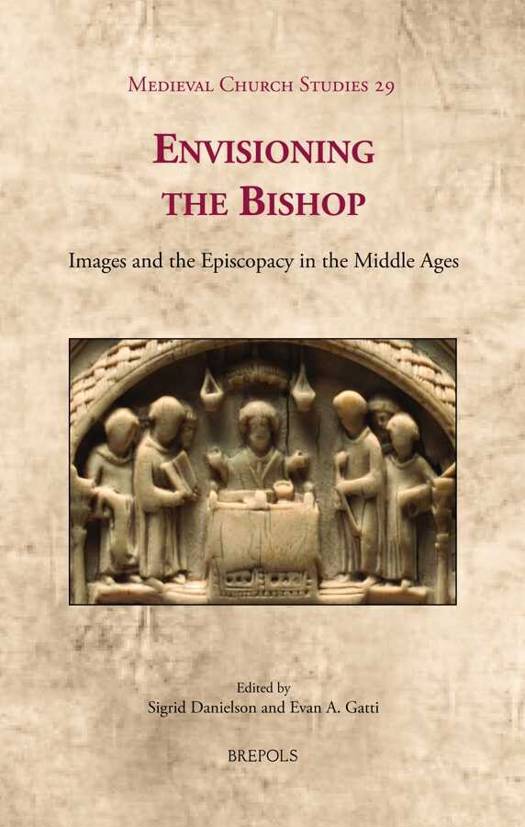
The bishop wielded significant authority in religious, intellectual, and political spheres during the Middle Ages, but how was this influence articulated, and once articulated, how was it received? The essays in this volume represent a variety of disciplinary perspectives, each tuned to the production of images made by, for, and about the medieval episcopacy. They present the bishop as a model of piety and intellectual life as well as political and religious action. Considering material from Late Antiquity through the thirteenth century, the essays offer a series of case-studies demonstrating that crafting episcopal imagery was a complicated endeavour employing pictorial, historical, literary, and historiographic devices. Never a static institution, the episcopacy was formed and reformed making it visible to the bishop, to those with whom he interacted, and to broader communities. These efforts at making present the power and authorities of the office asserted the duties, expectations, and ideals of the bishop in ways often specific to time and place. The diverse perspectives on the episcopal image assembled here reveal the office, not as a singular contour, but as a succession of marks and erasures. Shaped by supporters and detractors alike, medieval images of the bishop engaged with historical models, responded to present realities, and considered the eschatological future.
Specificaties
Betrokkenen
- Auteur(s):
- Uitgeverij:
Inhoud
- Aantal bladzijden:
- 472
- Taal:
- Engels
- Reeks:
- Reeksnummer:
- nr. 29
Eigenschappen
- Productcode (EAN):
- 9782503547992
- Verschijningsdatum:
- 28/04/2014
- Uitvoering:
- Hardcover
- Formaat:
- Genaaid
- Gewicht:
- 145 g



Alleen bij Standaard Boekhandel
+ 275 punten op je klantenkaart van Standaard Boekhandel
Cadeau

AANGERADEN


Beoordelingen
We publiceren alleen reviews die voldoen aan de voorwaarden voor reviews. Bekijk onze voorwaarden voor reviews.