


- Afhalen na 1 uur in een winkel met voorraad
- Gratis thuislevering in België vanaf € 30
- Ruim aanbod met 7 miljoen producten
- Afhalen na 1 uur in een winkel met voorraad
- Gratis thuislevering in België vanaf € 30
- Ruim aanbod met 7 miljoen producten





€ 169,95
+ 339 punten
Omschrijving
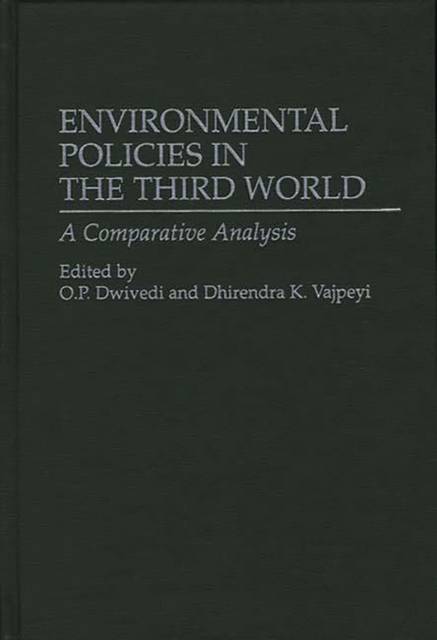
Analyzes environmental problems and policies in developing countries around the world and discusses new prospects for international cooperation and funding. Considers hard political choices, who is to blame for environmental decay, who should pay to overcome problems, and how policies should be administered. Experts from different countries offer their perspectives about the role of multilateral agencies, the North-South dimensions of environmental problems since 1972, internal and external factors that have affected Third World development, new measures and opportunities since the Rio Summit conference, and case studies of representative countries--India, China, Indonesia, Africa, Nigeria, Chile, and Mexico. A bibliography enhances this authoritative study for the use of political scientists, economists, and public administrators, for teachers, students, and professionals.
Specificaties
Betrokkenen
- Auteur(s):
- Uitgeverij:
Inhoud
- Aantal bladzijden:
- 248
- Taal:
- Engels
- Reeks:
- Reeksnummer:
- nr. 350
Eigenschappen
- Productcode (EAN):
- 9780313293979
- Verschijningsdatum:
- 28/02/1995
- Uitvoering:
- Hardcover
- Formaat:
- Genaaid
- Afmetingen:
- 162 mm x 242 mm
- Gewicht:
- 576 g


Alleen bij Standaard Boekhandel
+ 339 punten op je klantenkaart van Standaard Boekhandel
Cadeau

AANGERADEN


Beoordelingen
We publiceren alleen reviews die voldoen aan de voorwaarden voor reviews. Bekijk onze voorwaarden voor reviews.