



Bedankt voor het vertrouwen het afgelopen jaar! Om jou te bedanken bieden we GRATIS verzending (in België) aan op alles gedurende de hele maand januari.
- Afhalen na 1 uur in een winkel met voorraad
- In januari gratis thuislevering in België
- Ruim aanbod met 7 miljoen producten
Bedankt voor het vertrouwen het afgelopen jaar! Om jou te bedanken bieden we GRATIS verzending (in België) aan op alles gedurende de hele maand januari.
- Afhalen na 1 uur in een winkel met voorraad
- In januari gratis thuislevering in België
- Ruim aanbod met 7 miljoen producten





€ 290,45
+ 580 punten
Uitvoering
Omschrijving
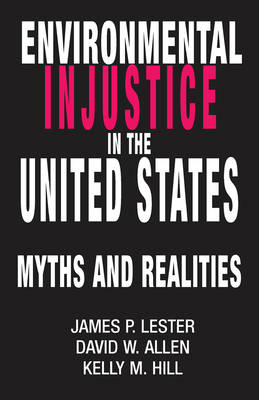
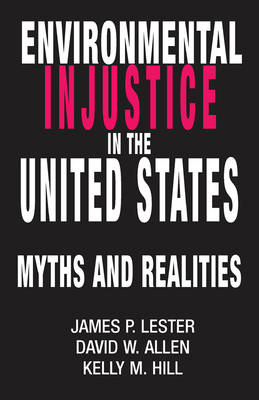
Environmental Injustice in the United States provides systematic insight into the social, economic, and political dynamics of environmental decision-making, and the impacts of those decisions on minority communities. The first part of the book examines closely the history of the environmental justice movement and the scholarly literature to date, with a discussion about how the issue made the public agenda in the first place. The second part of the book is a unique quantitative analysis of the relationship among race, class, political mobilization, and environmental harm at three levels-- state, county, and city. Despite the initial skepticism of the authors, their study finds both race and class to be significant variables in explaining patterns of environmental harm. The third part of the book then offers policy recommendations to decisionmakers, based on the book's findings. It was named a Choice Outstanding Academic Book of 2001.
Specificaties
Betrokkenen
- Auteur(s):
- Uitgeverij:
Inhoud
- Aantal bladzijden:
- 236
- Taal:
- Engels
Eigenschappen
- Productcode (EAN):
- 9780367096625
- Verschijningsdatum:
- 13/06/2019
- Uitvoering:
- Hardcover
- Formaat:
- Genaaid
- Afmetingen:
- 152 mm x 229 mm
- Gewicht:
- 485 g


Alleen bij Standaard Boekhandel
+ 580 punten op je klantenkaart van Standaard Boekhandel
SOLDEN


Beoordelingen
We publiceren alleen reviews die voldoen aan de voorwaarden voor reviews. Bekijk onze voorwaarden voor reviews.