


- Afhalen na 1 uur in een winkel met voorraad
- Gratis thuislevering in België vanaf € 30
- Ruim aanbod met 7 miljoen producten
- Afhalen na 1 uur in een winkel met voorraad
- Gratis thuislevering in België vanaf € 30
- Ruim aanbod met 7 miljoen producten




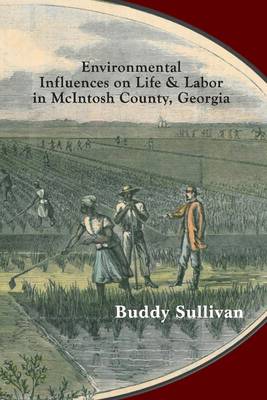
Environmental Influences on Life & Labor in McIntosh County, Georgia
Case Studies in Ecology as History
Buddy Sullivan
Paperback | Engels
€ 50,45
+ 100 punten
Uitvoering
Omschrijving
The "ecology as history" in this book resonates with a recurrent theme, one that tells the story of a community which involves the use of its land, its economy and the dynamics of its labor from the perspective of the local environment. The twelve "case studies" in the book examine the correlation between the ecosystem and environment of the Georgia low country in association with its economics and culture. In this regard, one area is scrutinized as a microcosm of the south Atlantic coast, McIntosh County, Georgia. This is a story of land use in association with the intangibles of place and permanence?and by extension, perseverance?as they relate to the peoples of McIntosh County, black and white. It is a story that is applicable to all of coastal Georgia and lower South Carolina. It is argued here that the human occupants of the region simultaneously adapted to the ecological circumstances of their locale while utilizing local environmental conditions as an increasingly effective, and resourceful, means of furthering their economic and cultural well-being.
Specificaties
Betrokkenen
- Auteur(s):
- Uitgeverij:
Inhoud
- Aantal bladzijden:
- 840
- Taal:
- Engels
Eigenschappen
- Productcode (EAN):
- 9781098333416
- Verschijningsdatum:
- 21/02/2021
- Uitvoering:
- Paperback
- Formaat:
- Trade paperback (VS)
- Afmetingen:
- 145 mm x 226 mm
- Gewicht:
- 1292 g


Alleen bij Standaard Boekhandel
+ 100 punten op je klantenkaart van Standaard Boekhandel
AANGERADEN


Beoordelingen
We publiceren alleen reviews die voldoen aan de voorwaarden voor reviews. Bekijk onze voorwaarden voor reviews.